A gemstone identification chart is a starting point, not a final verdict. Blue stones are not automatically sapphires, green gems are not automatically emeralds, and a clear stone is not necessarily a diamond. Many minerals share similar colors, while treatments and laboratory-grown stones can closely resemble their natural counterparts. This guide shows how to narrow down possibilities safely and when to seek professional identification.
If you are learning about stones for jewelry, collecting, or buying, begin with three questions: What does the stone look like? What physical properties can be assessed without damage? What evidence confirms the seller’s description?
Quick gemstone identification chart
The following ranges are general educational reference points. Color varies within each mineral species; visual appearance alone cannot prove identity.
| Gemstone | Typical colors | Mohs hardness | Useful identification context |
|---|---|---|---|
| Diamond | Colorless, yellow, brown, fancy colors | 10 | May resemble moissanite or cubic zirconia without testing. |
| Ruby (corundum) | Red to purplish red | 9 | Shares a mineral species with sapphire; color alone is inconclusive. |
| Sapphire (corundum) | Blue and many other colors | 9 | Natural, laboratory-grown and treated stones can appear alike. |
| Emerald (beryl) | Green to bluish green | 7.5–8 | Clarity enhancements and natural inclusions need careful assessment. |
| Aquamarine (beryl) | Light blue to blue-green | 7.5–8 | A blue beryl variety; not a blue emerald. |
| Amethyst (quartz) | Purple, often reddish or bluish purple | 7 | Quartz varieties can look similar to other purple gems. |
| Garnet group | Red, orange, green and other colors | About 6.5–7.5 | Different garnet species vary in composition and properties. |
| Topaz | Colorless, yellow, blue, pink and others | 8 | Perfect cleavage makes impact damage possible despite its hardness. |
| Tourmaline group | Pink, green, blue, multicolor | 7–7.5 | May exhibit color zoning and pleochroism. |
| Opal | White, black, orange and varied patterns | About 5–6.5 | Precious opal may show play-of-color; assemblages and imitations exist. |
| Turquoise | Blue to green | 5–6 | Dyed substitutes and stabilized materials require disclosure. |
| Fluorite | Purple, green, blue, yellow and colorless | 4 | Relatively soft and has pronounced cleavage. |
Hardness values are approximate and are not identification results. For a deeper look at sapphire and its appearance, see our white sapphire versus diamond guide.
Step 1: Observe color under neutral lighting
Look at a clean gem under indirect daylight or consistent neutral white light. Record its main hue, lightness, and saturation. Then rotate it gently to see whether the color changes with viewing direction. Some gemstones show pleochroism; others appear different because of inclusions, cut, or lighting.
Do not identify a gem by searching for the closest online photograph. Cameras change color, retail photography is often heavily lit, and a single stone can display several hues. For example, green examples of tourmaline, peridot, garnet, emerald, and glass can overlap visually.

Step 2: Inspect transparency, luster, and surface features
Is the stone transparent, translucent, or opaque? Does its polished surface have a glass-like or silky appearance? Does it contain visible inclusions, growth features, cavities, or color zoning? A jeweler’s loupe can help you observe these details, but a loupe does not reliably distinguish every natural stone from a synthetic stone or imitation.
Common misconceptions include “bubbles always mean fake” and “inclusions always mean natural.” Neither is a universal rule. Certain natural materials can contain cavities, and laboratory-grown materials can have inclusions. What matters is the type and pattern of features, interpreted in combination with other observations.
Step 3: Use hardness as a reference, never a destructive home test
The Mohs scale describes relative resistance to scratching. It is not a linear measure of strength and does not indicate resistance to chipping. Sapphire and ruby rate 9, diamond rates 10, and quartz rates 7. A stone’s setting, inclusions, and cleavage may affect how it survives daily wear.
Do not scratch a valuable gem with a knife, another gemstone, or sandpaper. Such tests can permanently damage the gem or mounting and cannot reliably establish authenticity. Read the Gemological Institute of America’s explanation of hardness, toughness, and stability before choosing a gemstone for daily wear.
Step 4: Consider optical and physical properties
Professional gemologists use combinations of tests rather than appearances alone. Depending on the material and setting, examination may include refractive index, birefringence, specific gravity, microscopic inclusions, fluorescence, or spectroscopy. Some of these methods require a loose stone; others can be applied to mounted jewelry with limitations.
Measurements are interpreted against known gemological properties, and no single test resolves all questions. The GIA colored-stone laboratory workflow illustrates how gemologists combine observations and instruments.
Step 5: Understand natural, laboratory-grown, treated, and imitation gems
- Natural: material formed by geological processes, although it may later be treated.
- Laboratory-grown or synthetic: material produced by humans that has essentially the same chemical composition and crystal structure as its natural counterpart.
- Treated: a material whose appearance or durability has been altered, for example by heating, dyeing, or filling.
- Simulant or imitation: a different material chosen to resemble a particular gemstone, such as cubic zirconia used to imitate diamond.
These are different categories. A laboratory-grown ruby is not merely red glass, and a natural stone is not necessarily untreated. Ask sellers to state the gemstone’s identification, origin classification, and known treatments in writing.
Identification examples: when common names mislead
Is a “blue emerald” an emerald?
Emerald describes the green to bluish-green beryl variety. Blue beryl is typically aquamarine or another beryl variety, depending on its properties. Do not rely on informal trade names alone; see our blue emerald discussion as a related topic that warrants careful terminology.
Are opal and opalite the same material?
No. “Opalite” in retail contexts commonly describes a manufactured glass imitation, although the word has also been used historically for other materials. The identity depends on the specimen and how the term is used. Compare the materials in our opal versus opalite article.
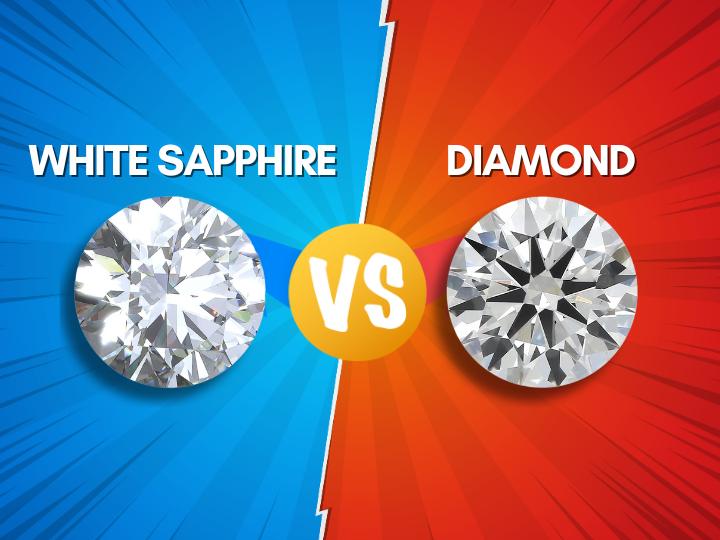
Can you identify a white sapphire by sparkle?
Not reliably. Cut, lighting, clarity, and competing materials change appearance. A seller’s photographs and generic “sparkle tests” do not replace gemological assessment.
When should you request a laboratory report?
Seek independent identification for expensive purchases, uncertain treatments, unusual trade names, inheritance valuations, or any purchase where natural origin materially affects the price. A report should identify the material and note detectable treatments. Some laboratories also provide geographic-origin opinions where evidence permits.
The GIA’s colored stone report service describes what its reports include. Always verify a report number through the issuing laboratory’s official verification service and confirm that the report’s physical description matches the actual gem.
Practical gemstone identification checklist
- Record the stone’s size, color, shape, and seller’s description.
- Inspect it safely under neutral lighting and magnification.
- Do not perform scratch, heat, acid, or destructive home tests.
- Ask if the gem is natural, laboratory-grown, treated, or an imitation.
- Compare the seller’s disclosure with a recognized laboratory report for high-value stones.
- Keep receipts, reports, treatment disclosures, and photos together.
Frequently asked questions
Can I identify a gemstone from a picture?
You can suggest candidates, but a photograph alone cannot confirm the mineral species, treatment, or natural versus laboratory-grown origin.
Does a genuine gemstone always have inclusions?
No. Some natural gems have few visible inclusions, and some laboratory-grown gems have inclusions. Patterns matter more than their mere presence.
Are expensive stones always harder?
No. Market value depends on several factors, while hardness describes scratch resistance. Opal, for example, can be valuable without being especially hard.
What is the safest way to confirm a gemstone’s identity?
Consult a qualified gemologist or recognized independent gemological laboratory, particularly for costly or disputed stones.
References and further reading
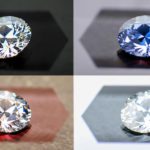
Editorial note: Illustrative photographs are not laboratory identifications, and the appearance of a gem in a picture should not be used to authenticate a specimen.