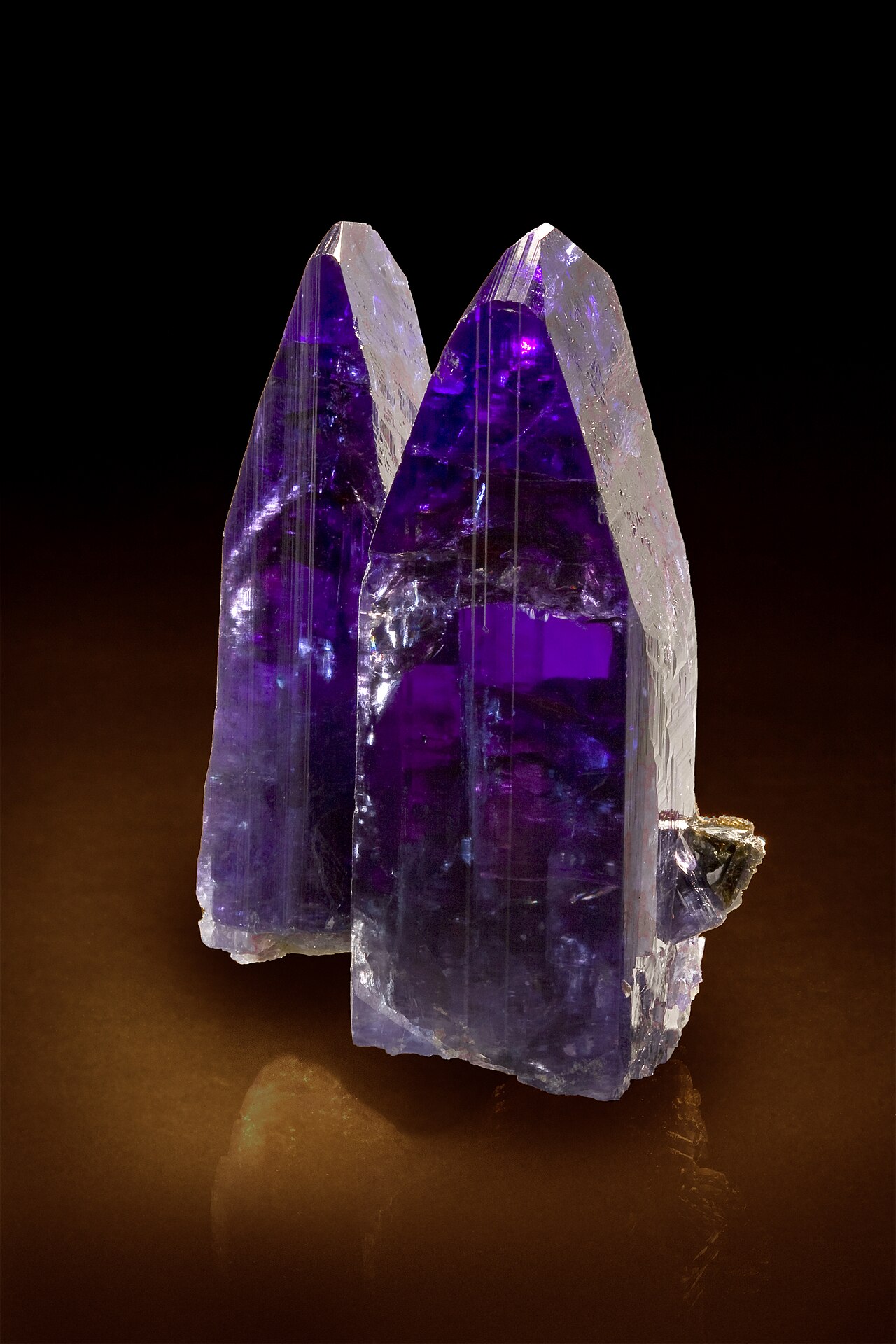
In brief: Tanzanite is the blue-to-violet variety of zoisite, associated with a geographically limited source in Tanzania. Its intense color can be captivating, but buyers should understand heating, pleochroism, cutting, clarity and care before choosing a ring or pendant. Rarity claims alone do not establish market value.
Quick comparison chart
| Feature | First material | Second material / context |
|---|---|---|
| Mineral | Zoisite | Blue-violet variety |
| Color feature | Pleochroic | Changes with viewing direction |
| Mohs hardness | About 6–7 | Careful jewelry wear |
| Common treatment | Heating | Disclosure recommended |
Why tanzanite looks blue or violet
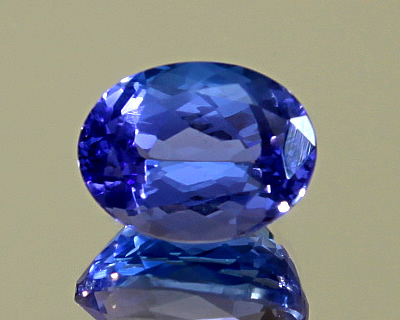
Tanzanite is zoisite, and its appearance varies with crystal orientation and lighting. Strong pleochroism can produce different hues when observed from different directions. Cutters choose orientations that favor attractive face-up color while balancing weight and brightness. Product photography may intensify saturation, so neutral-light comparison is valuable.
Heat treatment is common
Much commercial tanzanite is heated to modify its blue or violet appearance. The process does not necessarily make the stone fake, but it should be described transparently. A retailer claiming an expensive stone is naturally colored and entirely unheated should explain the evidence. Treatment history may not always be possible to determine definitively.
Clarity and cut quality
Some tanzanite is relatively clear under normal viewing, but inclusions and fractures can affect visual appeal and durability. Examine facet alignment, windowing and dark areas. Carat weight alone does not show the gem’s face-up size; obtain millimeter dimensions if fitting an existing setting.
Hardness and everyday wear
Tanzanite is approximately Mohs 6–7 with notable cleavage, and it can chip from impact despite attractive jewelry appearance. A protected pendant or earrings may see less rough wear than an exposed everyday ring. A jeweler can advise on setting styles and the user’s lifestyle. Avoid placing tanzanite in unknown cleaning equipment.
Understanding value and location claims
Tanzanite has a distinctive geographic story, but genuine specimens vary dramatically in quality. Market demand, size, color and documentation influence pricing. Be careful with sales pitches claiming inevitable price rises because of future mine closures; gemstone values are uncertain and liquidity can be limited.
Buying and care checklist
Ask for an exact zoisite/tanzanite identification, treatments, dimensions, actual photos, insured shipping and a return policy. For costly pieces, consider independent gemological testing. Gently clean according to the jeweler’s instructions and avoid abrupt temperature changes or high impacts.
Interactive buyer checklist
Frequently asked questions
Is tanzanite a sapphire?
No. Tanzanite is zoisite; sapphire is corundum.
Is heated tanzanite fake?
No. It may be natural tanzanite with disclosed treatment.
Is tanzanite a guaranteed investment?
No. Prices and resale demand are uncertain.
References and next reading
Gemological Institute of America — gemological reference. Continue with a related GemTycoon guide and the identification chart.
Educational guidance only. Gemstone descriptions, treatments and value require examination of individual specimens. No health or investment claim is made.