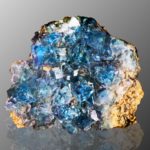
Opal includes a wide range of gem appearances, from milky white material to black-background stones flashing multiple colors. Understanding the major types helps buyers compare genuine geological varieties, commercial color descriptions and assembled opal jewelry.
Precious opal versus common opal
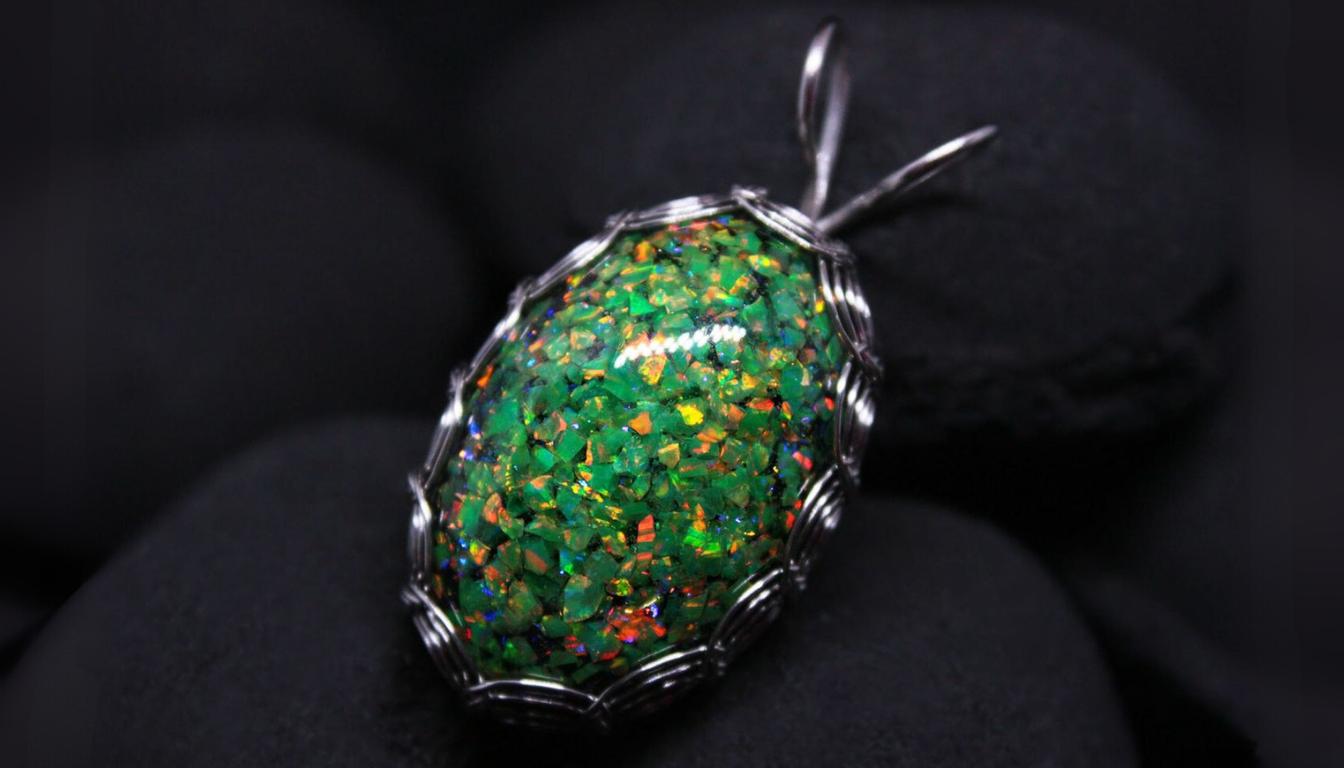
Precious opal displays play-of-color: shifting flashes caused by the interaction of light with its internal microscopic structure. Common opal generally lacks that distinctive display, even when its body color is attractive. Neither name automatically indicates treatment, geographical origin or value. A polished opal’s beauty depends on multiple characteristics, not merely the word ‘precious’.
White and light opal
White opal typically has a pale, milky or light background against which colorful flashes may appear. It is widely familiar in opal jewelry. Play-of-color pattern, brightness, range of colors and overall appearance affect quality. Some light opals have subtle flashes; others can be extremely lively.
Black and dark opal
Black opal has a dark body color, which can provide strong contrast for spectral flashes. Darker background material is not automatically valuable; quality of play-of-color, condition and other characteristics still matter. Do not judge identity from a black backing visible in photographs without checking whether the stone is a solid opal or assembled doublet or triplet.
Crystal and transparent opal
Crystal opal has a transparent to translucent appearance with play-of-color visible through the body of the material. Some specimens appear almost clear, while others show tinted backgrounds. Transparency can enhance the sense of depth, but buyer preferences and lighting strongly influence the final impression.
Fire opal
Fire opal is usually associated with yellow, orange or reddish body colors; it does not have to display play-of-color. Some fire opals are transparent and faceted, while others are translucent. A warm body color and rainbow flashes refer to different features, so ask which attributes the seller is describing.
Boulder opal
Boulder opal forms with natural host rock, often leaving opal layers or seams attached to the rock matrix. A natural matrix is not the same as a deliberately glued backing. Assess each piece’s actual opal coverage, play-of-color and durability, rather than assuming a boulder-like appearance proves provenance.
Opal doublets and triplets
A doublet typically attaches a thin opal layer to a backing; a triplet adds a protective transparent dome on top. These are assembled gemstones and should be disclosed as such. They can offer attractive appearance at different prices from a comparable solid natural opal. Look at the side of a stone and consider a gemological examination when uncertain.
Quality and care considerations
GIA explains that play-of-color, pattern, clarity, cut and color influence opal assessment. Opal is softer than sapphire and requires thoughtful protection from impacts and extreme heat or dryness. For important purchases, ask for a description of whether the opal is solid, natural, treated or assembled. Read the GIA Opal Buyer’s Guide and our opal versus opalite comparison.
FAQs
Is fire opal always rainbow colored?
No. Fire opal refers mainly to orange-to-reddish body color and may lack play-of-color.
Are opal triplets fake?
They are assembled stones containing an opal layer and other components; they should be clearly described rather than sold as solid opal.
Does black opal always cost more?
No. Quality, brightness, pattern, size and other factors influence value.