Genuine sapphire is corundum, but that fact does not automatically tell you if a stone formed naturally, grew in a laboratory, or was treated. A blue glass imitation is not sapphire. If you plan to buy valuable sapphire jewelry, clarify all three questions before paying.
What counts as genuine sapphire?
Sapphire is gem-quality corundum, which also includes ruby as the red variety. Natural sapphire forms in geological environments; laboratory-grown sapphire is real corundum produced using controlled processes. Both have Mohs hardness about 9. Sellers must distinguish the growth origin, and a simple label such as ‘100% sapphire’ is not adequate when origin affects the price.
Can you identify sapphire by color?
No. Blue sapphire can resemble spinel, glass, certain synthetic materials and other blue gemstones. Sapphire itself may be blue, yellow, pink, green, violet or colorless. A visually perfect blue stone is not automatically laboratory grown, and a less saturated stone is not necessarily natural. Compare in neutral lighting without treating photos as a scientific test.
What does a jeweler look for?
A qualified professional may use optical instruments, refractive-index measurements and magnification to help identify corundum. Features such as natural mineral inclusions, growth structures and color zoning can offer clues, but the interpretation requires expertise. Laboratory-grown materials can contain inclusions too. Advanced spectroscopy may help clarify difficult natural-versus-laboratory-grown cases.
Do not rely on scratch or heat tests
Sapphire resists scratching, but attempting to scratch glass is not a safe or sufficient authentication test. Lab-grown sapphire can resist scratches in the same way, while an unmounted or cracked stone might suffer damage. Never burn, strike, acid-test or deliberately scratch a valuable gemstone. A damaged genuine stone remains an expensive mistake.
Understand heating and diffusion
Many natural sapphires have undergone heating to alter appearance. Diffusion may also modify color through a different process. Natural origin and treatment are separate characteristics; a heated natural sapphire is not lab-grown merely because it was heated. The type of treatment can influence commercial value and must be disclosed accurately.
What should be on a report?
A reputable identification report can document sapphire identity, natural or laboratory-grown status, weight, measurements, shape, color and any detectable treatments. Some services may offer an opinion on geographic origin when testing allows. Verify the report number directly with the laboratory and check that its measurements match your stone. Consult GIA sapphire guidance and how laboratories assess colored stones.
Safe buying checklist
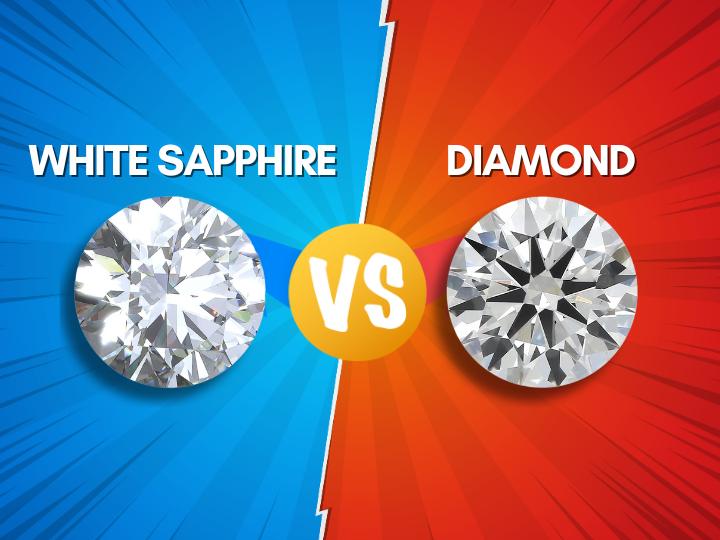
Ask: Is this corundum? Is it natural or laboratory-grown? Is heating or diffusion known? Does the seller have an independent report? Do the report and actual stone match? Are shipping and returns covered? Compare our white sapphire versus diamond guide for a related look-alike problem.
FAQs
Can lab sapphire be genuine?
Yes. It is corundum, but its laboratory origin must be disclosed.
Do natural sapphires always have inclusions?
No. Clarity varies and inclusions alone cannot reliably establish origin.
Can a phone app verify a sapphire?
No. Photos cannot replace a gemological examination.