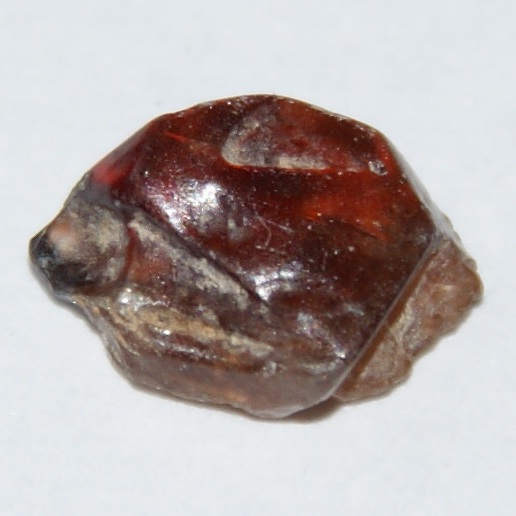
In brief: Zircon and cubic zirconia are not the same gem. Zircon is a naturally occurring zirconium silicate mineral; cubic zirconia, often abbreviated CZ, is a manufactured zirconium dioxide material commonly used to imitate diamond. Similar names create confusion, but they have different crystal structures, gemological properties and pricing.
Quick comparison chart
| Feature | First material | Second material / context |
|---|---|---|
| Chemical identity | Zirconium silicate (zircon) | Zirconium dioxide (CZ) |
| Typical origin | Natural mineral | Usually manufactured |
| Optical clue | Can show strong facet doubling | Typically singly refractive |
| Market use | Gemstone in its own right | Common diamond simulant |
A similar name does not mean the same substance
Natural zircon occurs in various colors, including colorless, blue, red and yellowish hues. CZ is an engineered diamond simulant. A retailer describing a ring as ‘zircon diamond’ may be using an ambiguous trade label; request the exact material. Neither should be marketed as mined diamond without disclosure.
How sparkle and optics differ
Zircon can show noticeable doubling of back facets because of strong birefringence, while cubic zirconia is typically singly refractive. Both may have brilliance and rainbow flashes depending on cut and illumination. A photograph or simple sparkle contest cannot prove which is which. Gemologists rely on appropriate optical measurements.
Mohs hardness and care
Zircon is often around Mohs 6–7.5 depending on material conditions; cubic zirconia commonly rates around 8–8.5. Zircon may be brittle and prone to edge abrasion, while CZ can also show wear over years. These numbers are not direct predictors of breakage. A secure setting and gentle handling matter, especially for faceted edges.

Treatments and color
Some zircon colors, including commercial blue zircon, may result from heat treatment. Cubic zirconia colors can be engineered as part of manufacture. Ask whether the stone was treated and whether the listing clearly distinguishes natural zircon from synthetic or simulated products. Avoid using a seller’s price as proof of identity.
What about natural versus synthetic origin?
Natural zircon is a mineral found in the earth. Cubic zirconia is generally manufactured for jewelry. The word zirconium appears in both chemical descriptions but should not be used to imply the materials are identical. If a costly gem claims exceptional natural color or origin, request independent documentation.
Buyer checklist
Ask for exact identification, color-treatment disclosure, measurements and actual photographs. Compare settings and return terms. A lab report can differentiate the materials when the claim affects price. Avoid scratch and flame tests that may permanently mark the stone or its mounting.
Interactive buyer checklist
Frequently asked questions
Is zircon a fake diamond?
No. Natural zircon is a separate genuine mineral, though it may be used as a diamond alternative.
Is cubic zirconia natural zircon?
No. Their chemistry and crystal structures differ.
Can an app identify them from a picture?
No. Professional measurements are more reliable.
References and next reading
Gemological Institute of America — gemological reference. Continue with a related GemTycoon guide and the identification chart.
Educational guidance only. Gemstone descriptions, treatments and value require examination of individual specimens. No health or investment claim is made.