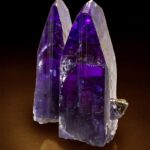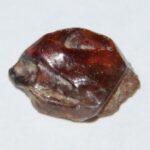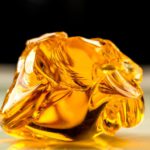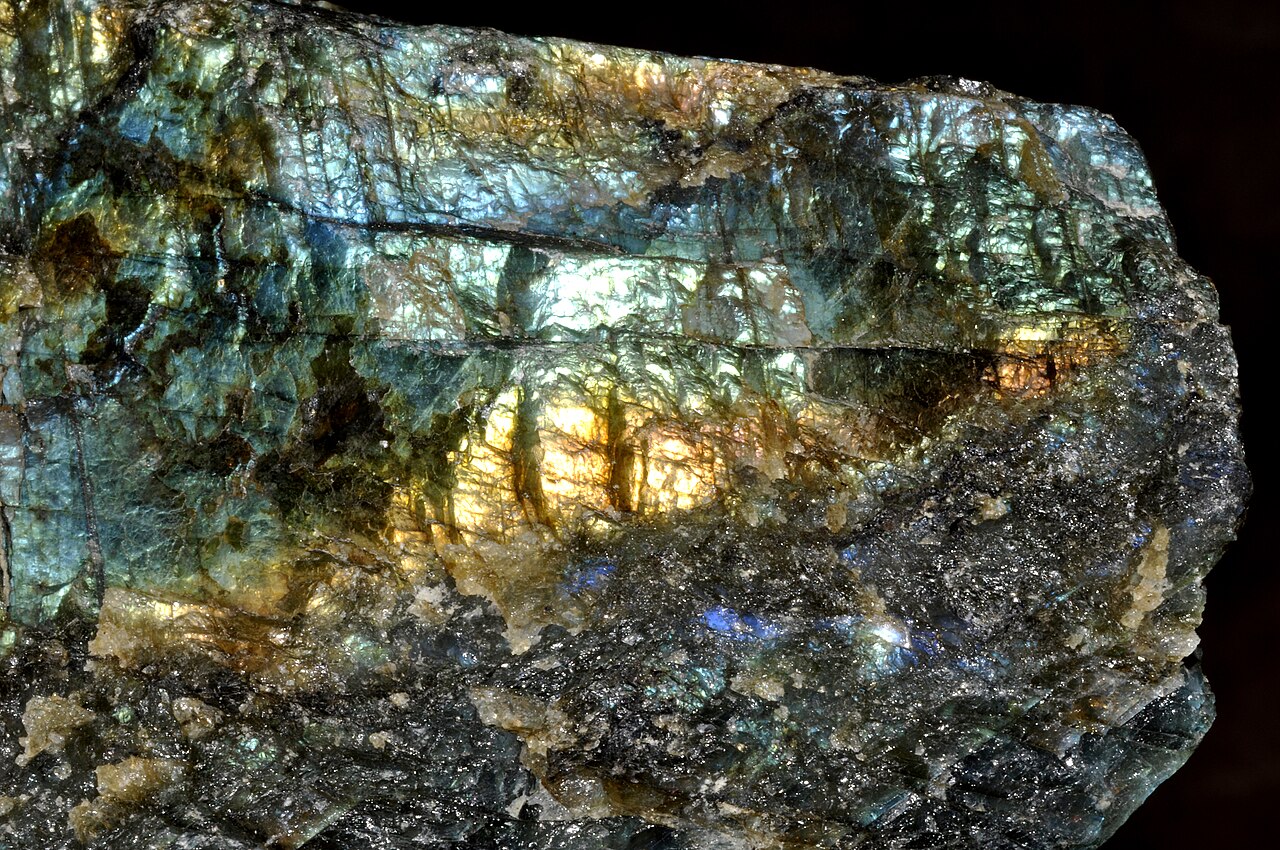
In brief: Labradorite and moonstone both belong to the feldspar mineral family, but their optical effects and typical appearance differ. Labradorite is associated with labradorescence, while moonstone is prized for adularescence. Retail names such as ‘rainbow moonstone’ can sometimes refer to material more closely identified as labradorite.
Quick comparison chart
| Feature | First material | Second material / context |
|---|---|---|
| Mineral family | Feldspar | Feldspar |
| Typical effect | Labradorescence | Adularescence |
| Common market issue | Rainbow moonstone naming | Moonstone species variation |
| Care | Protect from impact | Protect from impact |
How feldspar produces light effects
Feldspars have layered internal structures that interact with light. Labradorite may show bands or flashes of blue, green or gold; moonstone often has a soft floating sheen. The effect can change as the stone moves. Not every specimen is highly flashy, and appearance alone does not prove a particular composition.
Labradorescence versus adularescence
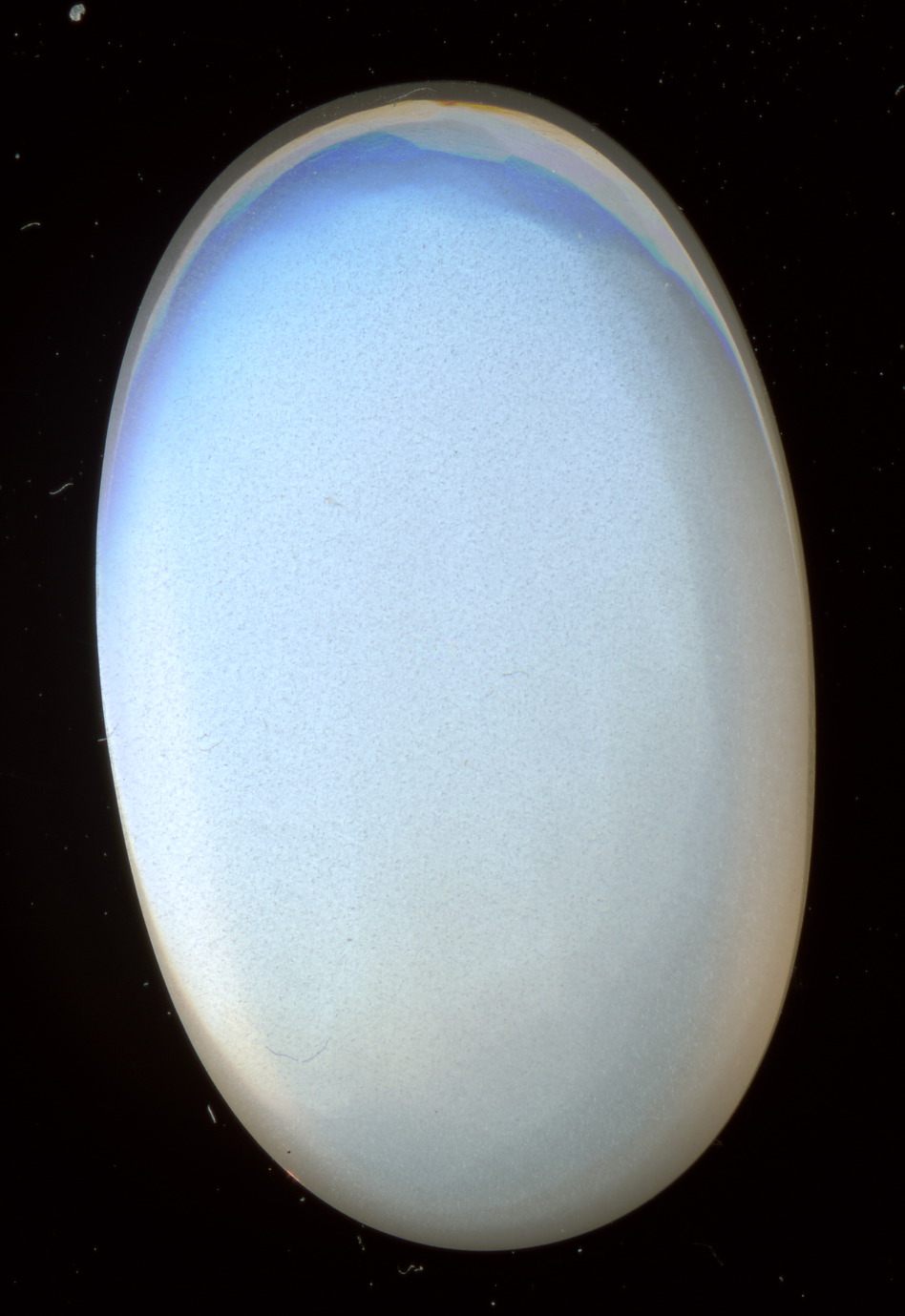
Labradorescence often appears as broad, sometimes multicolored flashes associated with internal twinning or layered structures. Adularescence in moonstone is a more diffuse glow that seems to move beneath the surface. These terms describe optical behavior rather than metaphysical energy. Cut orientation affects how strongly an effect is visible.
Why rainbow moonstone naming is confusing
Some material marketed as rainbow moonstone is actually a transparent or whitish variety of labradorite, not traditional orthoclase moonstone. The trade name may still be familiar to buyers but should not be mistaken for a formal mineral identification. Ask for clear supplier information if species matters to price or collecting.
Color, quality and cutting
Look for the brightness, coverage and appeal of the light effect, the color and condition of the base material, and whether the cabochon is cut to display the phenomenon. Cracks or surface damage can reduce durability. The stone shown under a powerful angled light may look quieter in ordinary indoor conditions.
Wearability and cleaning
Both feldspars are generally around Mohs 6–6.5 and can be vulnerable to cleavage-related damage. They need care around impacts, hard jewelry and aggressive cleaners. Rings worn occasionally or protective pendants may be practical choices; do not assume a spectacular rainbow flash means the specimen is physically tough.
A fair buying comparison
Compare the actual stone under more than one light, request exact material names and dimensions, and ask about treatments or repairs. Use an independent lab if identification materially changes the price. A genuine moonstone’s cultural symbolism may enrich a gift, but does not establish a medical or supernatural effect.
Interactive buyer checklist
Frequently asked questions
Is labradorite the same as moonstone?
They are related feldspar materials, but not identical gem varieties.
Is rainbow moonstone always moonstone mineral?
Some trade uses refer to labradorite-type material, so verify identification.
Can optical effects disappear?
A change of lighting or viewing angle may make the effect much less visible.
References and next reading
Gemological Institute of America — gemological reference. Continue with a related GemTycoon guide and the identification chart.
Educational guidance only. Gemstone descriptions, treatments and value require examination of individual specimens. No health or investment claim is made.