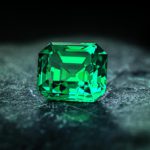
Agate is generally a patterned variety of chalcedony, part of the quartz family. Its bands, fortification patterns, inclusions and translucent zones can be visually striking, but trade names are sometimes applied loosely. Gemstone identification requires more than matching an internet photograph.
What is agate and chalcedony?
Chalcedony consists of very fine quartz-family silica structures. Agate typically features curved or layered bands, but commercial ‘agate’ labels can include materials with moss-like or dendritic patterns. A retail product may therefore need a more precise mineralogical description. Record the specimen’s translucency, patterns and any visible layers before comparing it with known reference material.
Typical agate patterns
Fortification agate often shows angular concentric-looking bands, whereas waterline or parallel bands may appear relatively straight. Moss and dendritic forms have plantlike-looking inclusions rather than literal fossil plants. Tree agate is generally an opaque white-to-green patterned chalcedony variety. No single pattern confirms origin or absence of treatment.
Dyed agate versus naturally colored material
Agate is frequently dyed to create striking blue, green, pink, violet or black decorative pieces. Strong color concentrations near cracks may prompt questions, but some naturally colored specimens are also vivid. Dyeing does not turn quartz into a different mineral; it does change the product description. Ask for treatment disclosure instead of relying on uncertain home solvent tests.
Agate compared with jasper and glass
Jasper is also generally a microcrystalline silica material, often more opaque than agate, and trade usage overlaps. Manufactured glass may imitate stones with bands or bright color. Polished pieces can hide diagnostic features. A qualified gemologist can assess optical and physical properties when identification is commercially important.
Hardness, durability and care
Agate commonly has a hardness around Mohs 6.5 to 7. It is suitable for many decorative and jewelry applications, but is not immune to chipping, surface abrasion or chemical damage to dyes and coatings. Avoid harsh chemical testing to detect dyes; choose mild cleaning tailored to the actual finished product and store loose stones separately.
What collectors and jewelry buyers should request
Ask for clear photographs of both sides, size, a description of any dye or stabilization, and evidence if a specific mine is claimed. Patterns can be attractive even when inexpensive and treated. Compare like-for-like materials and do not assume a rare-sounding trade name makes a specimen valuable. Request professional testing for disputed high-value claims.
Practical buyer checklist
- Confirm the exact gemstone species or material, not just a color or trade nickname.
- Ask whether the item is natural, laboratory-grown, treated or assembled.
- Inspect the condition, size and treatment disclosures.
- Seek independent laboratory verification when significant value depends on identification.
- Check the return and cleaning policies before purchase.
Frequently asked questions
Can a photo alone prove this gemstone’s identity?
No. Different minerals and imitations can look similar, particularly after cutting and polishing.
Does natural mean untreated?
No. Some naturally formed gems are dyed, heated, filled or otherwise modified.
Is a scratch test safe for home identification?
No. Deliberate scratching can permanently damage valuable stones or settings and does not resolve many origin questions.
Explore related articles
References
Educational guidance, not an appraisal, medical claim or laboratory assessment.