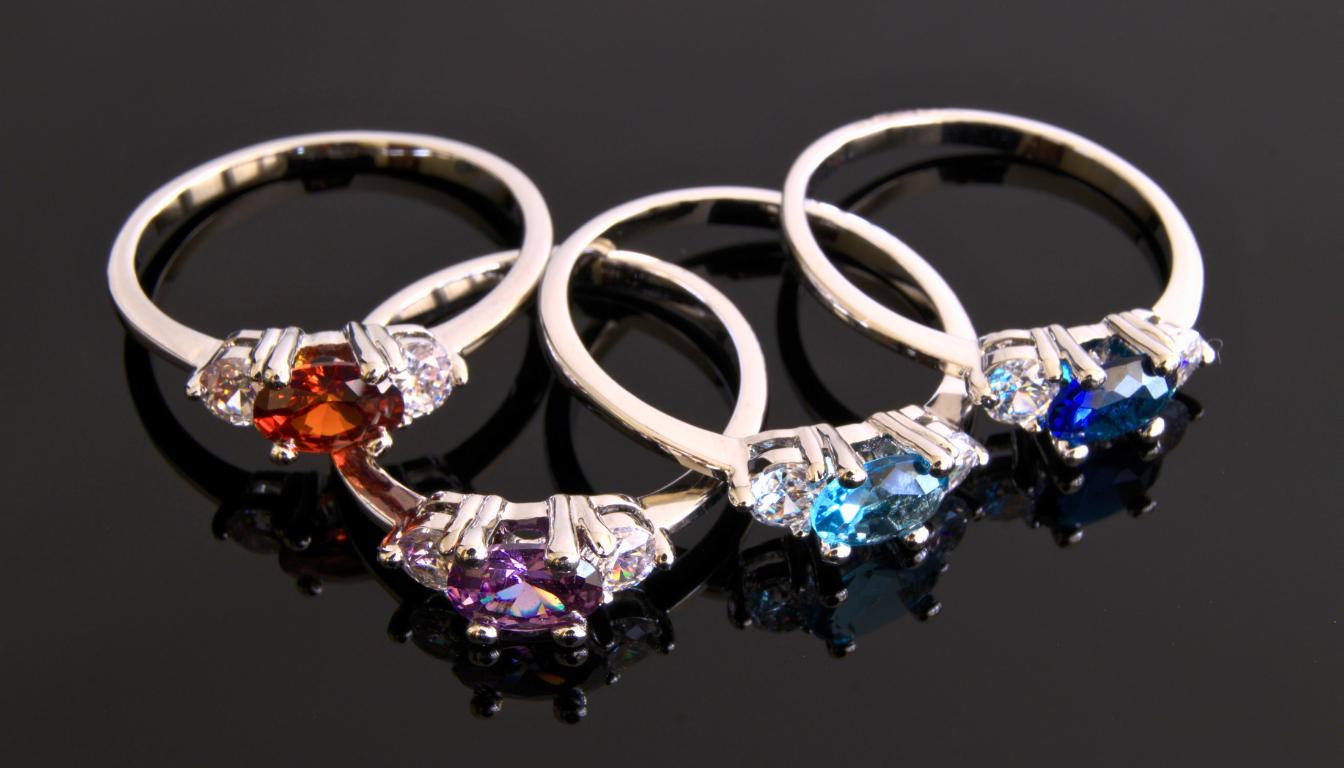
The best gemstones for everyday rings must survive scratches, impacts, household routines and years of use. Hardness is useful but is only one piece of durability; toughness, stability, internal flaws and the jewelry setting are equally important.
Hardness is not toughness
The Mohs scale measures scratch resistance, not the likelihood a gemstone will break. Diamond at Mohs 10 is extremely scratch-resistant but can still chip due to cleavage. Ruby and sapphire are corundum at Mohs 9. Quartz at about 7 is more vulnerable to everyday abrasion than corundum, while fluorite at Mohs 4 is especially unsuitable for rough ring use.
Diamond, ruby and sapphire
Well-chosen diamonds, rubies and sapphires are strong options for many daily rings, especially when mounted securely. Natural and laboratory-grown examples have important material properties in common, but origin and treatments must be represented clearly. Avoid leaving a vulnerable pointed corner exposed, and have a jeweler inspect prongs periodically. No stone is absolutely damage-proof.
Spinel, garnet and quartz
Spinel, garnet and quartz-family gems offer beautiful alternatives. Spinel has hardness around 8; garnet varies by species; amethyst and many agates are around 7. They can be worn in rings with sensible care, but a manual worker might notice wear over time. Inclusions and cut shape can influence both durability and visual quality. Remove jewelry during activities likely to cause hard impacts.
Emerald, aquamarine and tourmaline
Emerald and aquamarine are both beryl. Emeralds often have visible fissures and may have been fracture-filled, which affects cleaning precautions. Tourmaline provides a wide color range and intermediate hardness but can still chip if struck. Bezel-like protective settings may be useful, though each stone should be assessed individually. Ask about treatments before using a steam or ultrasonic cleaner.
Opal, fluorite and pearl: beautiful but delicate
Opal is relatively soft and can crack or craze after harsh temperature changes. Fluorite has pronounced cleavage and scratches easily. Pearls are organic gems with low hardness and are sensitive to certain cosmetics and chemicals. These stones often make more practical earrings or pendants than rings worn daily, though carefully designed occasional-wear rings are possible.
Settings and wear habits matter
A sturdy ring should protect the gem’s edges and hold it firmly without undue pressure on fragile corners. Avoid wearing delicate gemstones while lifting weights, gardening, cleaning with chemicals or doing construction work. Store pieces in separate pouches, since harder gems can scratch softer ones. Inspect for rattling stones or loosened prongs before additional wear.
What to ask before buying
Check gemstone identity, whether natural or laboratory-grown, known treatments, whether the setting protects vulnerable parts, daily cleaning requirements and the retailer’s returns. A qualified jeweler can make recommendations suited to a person’s actual lifestyle. Read GIA’s gemstone durability guide and our Mohs hardness chart.
FAQs
Is diamond impossible to break?
No. It resists scratches but may chip or fracture under impact.
Is sapphire good for an everyday ring?
Often yes, with secure mounting and appropriate handling, but no gemstone is indestructible.
Can opal be used in engagement rings?
Yes, with a suitable protective setting and careful wear; it generally requires more attention than corundum or diamond.