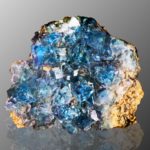
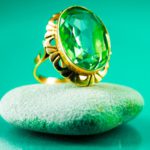
Fluorite is naturally occurring calcium fluoride (CaF2). It appears in purple, green, blue, yellow and colorless specimens, sometimes in striking bands. Color alone is never proof of mineral identity; polished glass, quartz and other minerals can resemble fluorite in photographs.
Know the mineral’s physical properties
Fluorite ranks 4 on the Mohs hardness scale, while quartz ranks 7. It often forms cubic crystals and has excellent cleavage in four directions. These properties help experts narrow down an identification, but they do not prove mine locality or treatment history. Never break a collectible specimen to demonstrate cleavage.
Understand colors and zoning
Natural fluorite occurs in many hues. Some crystals show distinct areas of purple, green and other colors. Light conditions and camera processing change how a specimen looks. When purchasing online, ask for photos under normal light and a scale reference, not just a backlit display image.
How to distinguish fluorite from amethyst
Amethyst is purple quartz and is significantly harder than fluorite. Rough quartz commonly forms hexagonal-prismatic crystals; fluorite commonly displays cubic habit. After faceting or tumbling, crystal-habit clues may disappear. Professional mineralogical testing is preferable to scratching a piece to compare hardness.
What about UV fluorescence?
Certain fluorites fluoresce under ultraviolet light, but others respond weakly or not noticeably. Other minerals can also fluoresce. A UV flashlight is not a definitive authenticity test, and fluorescence intensity does not establish natural origin or a particular mining location.
Professional tests and common imitations
Gemologists may inspect refractive properties, cleavage, microscopic features and other physical characteristics. Glass and other minerals can mimic some fluorite colors, especially when polished. A seller’s label or ‘healing crystal’ claims do not establish mineral identity. For an expensive specimen, request credible seller documentation and specialist evaluation.
Care for natural fluorite
Fluorite is comparatively soft and can chip along cleavage directions. Store it away from harder jewelry, avoid drops and abrasive cleaning, and do not use acids or heat as identification tests. A protected collection display is often a more sensible use than an exposed daily ring. The GIA durability guide explains hardness, toughness and stability.

Questions to ask sellers
Is the specimen fluorite? Has it been dyed, repaired, glued or assembled? Where is its claimed origin documented? Can the vendor supply measurements, close-ups and a return period? Learn about fluorite varieties and blue fluorite in the existing GemTycoon library.
FAQs
Is all purple fluorite amethyst?
No. Fluorite and amethyst are chemically different minerals.
Does all fluorite glow under UV light?
No. Fluorescence depends on the specimen and test conditions.
Can a scratch test prove a fluorite is natural?
No. It can damage the stone and does not establish growth origin.