A gemstone may be natural yet treated. Heating, dyeing, fracture filling and diffusion are separate processes with different implications for appearance, price, disclosure and long-term care. The useful question is not simply ‘Is treatment bad?’ but ‘Which treatment was used on this exact material, and what changes for the buyer?’
Heat treatment: often accepted, still important to disclose
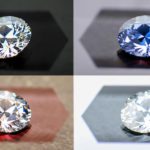
Heating is used on some gemstones to improve color or clarity, including many sapphires and rubies. A heated natural sapphire remains natural sapphire, not a synthetic gem. Treatment prevalence varies by stone type and market; value depends on the material and the qualities of the finished gem. An independent laboratory may detect indications of heating, but results should be read using the report’s exact wording.
Diffusion and color modification
Lattice diffusion can introduce elements that change the apparent color of corundum. Its depth and nature depend on the process. Diffusion-treated stones often occupy different market categories from untreated or conventionally heated stones. Do not assume that a vividly colored sapphire is untreated or that a seller’s statement ‘genuine sapphire’ addresses the diffusion question.
Fracture filling and clarity enhancement
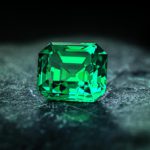
Some emeralds undergo fracture filling using oils or resins to reduce the visibility of surface-reaching fractures. The degree and type of enhancement can affect durability and value. Glass-filling may be used in certain other materials. Filled gems can be sensitive to aggressive cleaning or repairs; treatment details should be given to a repair professional before any heat is applied.
Dyeing, staining and impregnation
Dyes may intensify or change the color of porous materials such as certain agates or turquoise-like stones. Impregnation with polymers or other stabilizers may strengthen porous material or affect its appearance. A stabilized turquoise specimen is not necessarily an imitation, but stabilization or dyeing should be represented accurately. Be especially skeptical of vivid uniform color where a listing provides no treatment information.
Irradiation and combined treatments
Irradiation can create or modify color in certain gem species. Some treatments involve subsequent heating, so a single stone can undergo more than one procedure. The resulting color stability and any handling requirements depend on the mineral and process. Avoid general claims that all irradiated gemstones are unsafe or all are permanent; ask what tests and disclosures apply to the specific gem.
How treatment affects value and cleaning
Appearance, rarity, demand, growth origin and treatment history all influence pricing. The same treatment does not have the same impact across different gem types or quality grades. Ask for written details, and avoid steam or ultrasonic cleaning when the gemstone is fracture-filled, dyed or of unknown composition. The safest care instructions come from the jeweler or a qualified gemologist who knows the specimen.
Read laboratory reports carefully
Look for the identity, natural or laboratory-grown designation, and any reported evidence of treatment. A statement such as ‘no indications of heating’ has a specific meaning and should not be expanded into ‘certified never treated’ without evidence. Geographic origin is a separate determination, available only when a lab believes it can be established.
Buying checklist
Request a written description, a treatment statement, the exact gemstone identity and any relevant laboratory report. Compare prices between similarly documented stones, not just photos. A transparent dealer should explain the limitations of what is and is not known. Keep all claims with your receipt for future resale, appraisal or repairs.
Related GemTycoon guides
Frequently asked questions
Is heated sapphire fake?
No. A heated natural sapphire is still a natural sapphire with a disclosed treatment.
Can treatments wear off?
Some may be sensitive to heat, cleaning or wear, while others are relatively stable; it depends on the treatment and material.
Are all emeralds treated?
No. Many receive clarity enhancement, but treatment must be assessed for the individual emerald rather than assumed.
Sources and further reading
Editorial note: General educational guidance is not a gemological laboratory identification or valuation of a specific specimen.