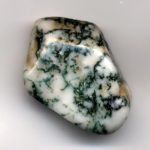
A birthstone chart connects the calendar with gemstones used in gifts and personal jewelry. Birthstone traditions have evolved, and some months have multiple widely accepted choices. The stones’ symbolic meanings are cultural stories rather than measurable medical effects.
Birthstone chart for all twelve months
| Month | Common modern birthstones |
|---|---|
| January | Garnet |
| February | Amethyst |
| March | Aquamarine, bloodstone |
| April | Diamond |
| May | Emerald |
| June | Pearl, moonstone, alexandrite |
| July | Ruby |
| August | Peridot, spinel, sardonyx |
| September | Sapphire |
| October | Opal, tourmaline |
| November | Topaz, citrine |
| December | Turquoise, tanzanite, zircon |
Lists vary with country, era and jewelry organization. These are widely recognized contemporary associations rather than unique scientific properties.
January to March: garnet, amethyst and aquamarine
Garnet is not only red; species can be orange, purple or green. Amethyst is purple quartz with Mohs hardness 7, while aquamarine belongs to the beryl family and has a softer blue or blue-green appearance. Bloodstone is another March choice in several traditions. Choose according to wearability and personal preference rather than claims of guaranteed luck or healing.
April to June: diamond, emerald and pearl alternatives
Diamond is April’s traditional modern favorite, admired for scratch resistance, though it can chip under impact. May’s emerald has an intense green color and commonly visible inclusions. June’s options include pearl, moonstone and alexandrite, which differ sharply in origin, rarity, optical characteristics and cleaning needs. Pearls in particular require careful protection from cosmetics.
July to September: ruby, peridot and sapphire
Ruby is red corundum, with high scratch resistance. August offers choices such as green peridot, colorful spinel and layered sardonyx. September sapphire occurs in blue and multiple fancy colors, with natural, laboratory-grown and treated examples on the market. Document origin and enhancements when claims materially influence price.
October to December: opal, topaz and turquoise choices
October’s opal and tourmaline offer shifting flashes or varied colors. November topaz and citrine are different minerals: topaz is generally harder but can cleave, whereas citrine is quartz. December choices include turquoise, zircon and tanzanite; each has distinct care requirements. Buying by gemstone name without understanding treatments may lead to unsuitable jewelry.
Choose birthstones by lifestyle and transparency
A person who wears rings through manual work may prefer durable sapphire or ruby; opal and pearl may be better protected as earrings or occasional pendants. Ask about gem identity, natural versus laboratory-grown origin, known treatments and safe cleaning. A birthstone’s history can enrich a gift while remaining separate from evidence-based medical guidance.
Frequently asked questions
Can a phone photograph establish a gem’s identity?
No. Visual appearance alone cannot determine composition, origin or treatments.
Should I rely on seller labels alone?
For a high-value purchase, consider credible independent identification and accurate written disclosures.
Do gemstone meanings have proven medical effects?
No. Traditional symbolism can be culturally important without establishing a clinical treatment.
Related reading
Sources
General consumer education, not a gemological laboratory report or professional appraisal.