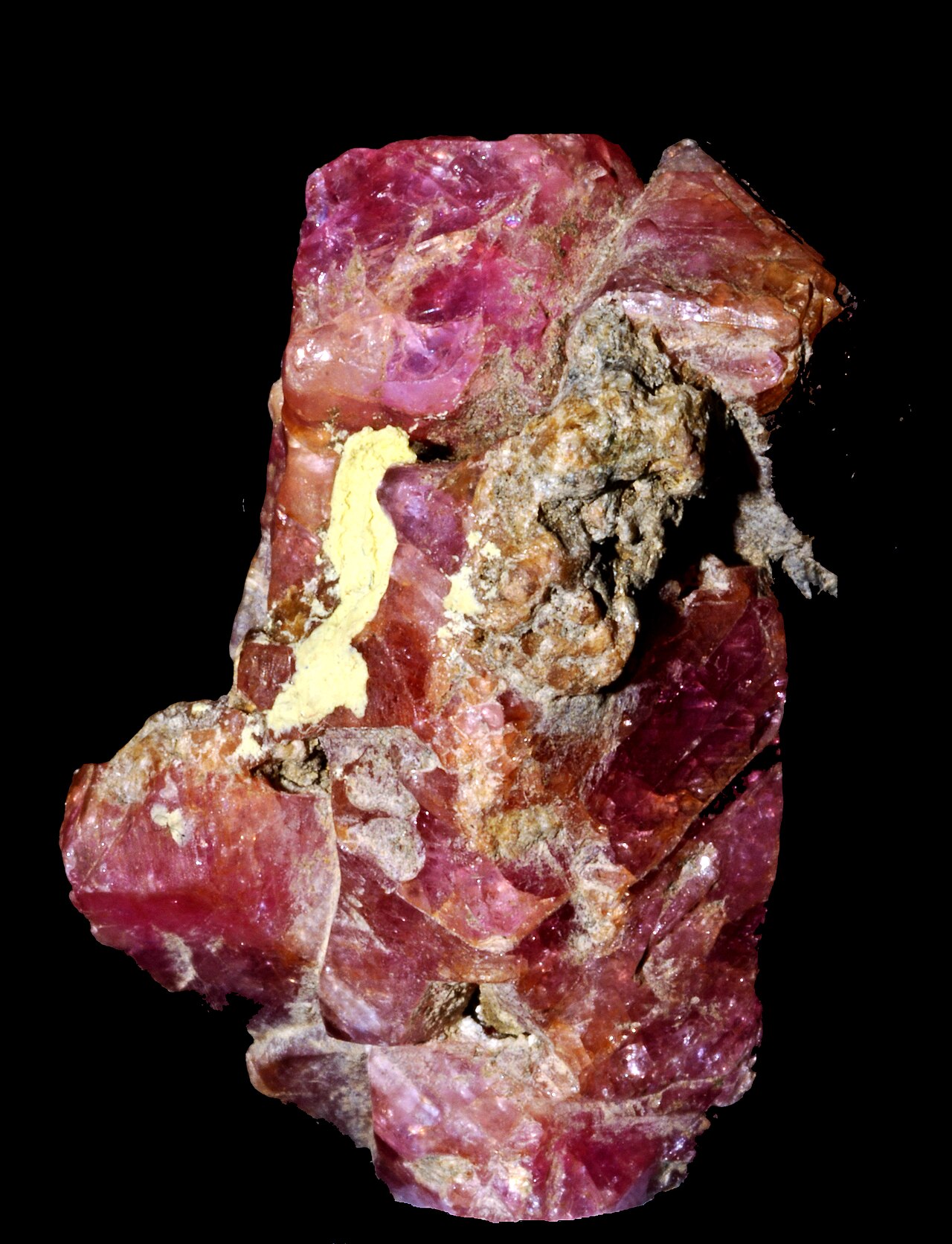
In brief: Ruby is red corundum whether it formed in nature or was grown under controlled laboratory conditions. A lab-grown ruby is not simply colored glass. The important buying questions are mineral identity, natural-versus-synthetic growth origin, detectable treatments, quality and honest pricing.
Quick comparison chart
| Feature | First material | Second material / context |
|---|---|---|
| Mineral | Corundum | Corundum |
| Formation | Geological | Laboratory controlled |
| Hardness | 9 | 9 |
| Critical disclosure | Treatments and origin | Lab-grown origin and treatments |
What makes a ruby a ruby?
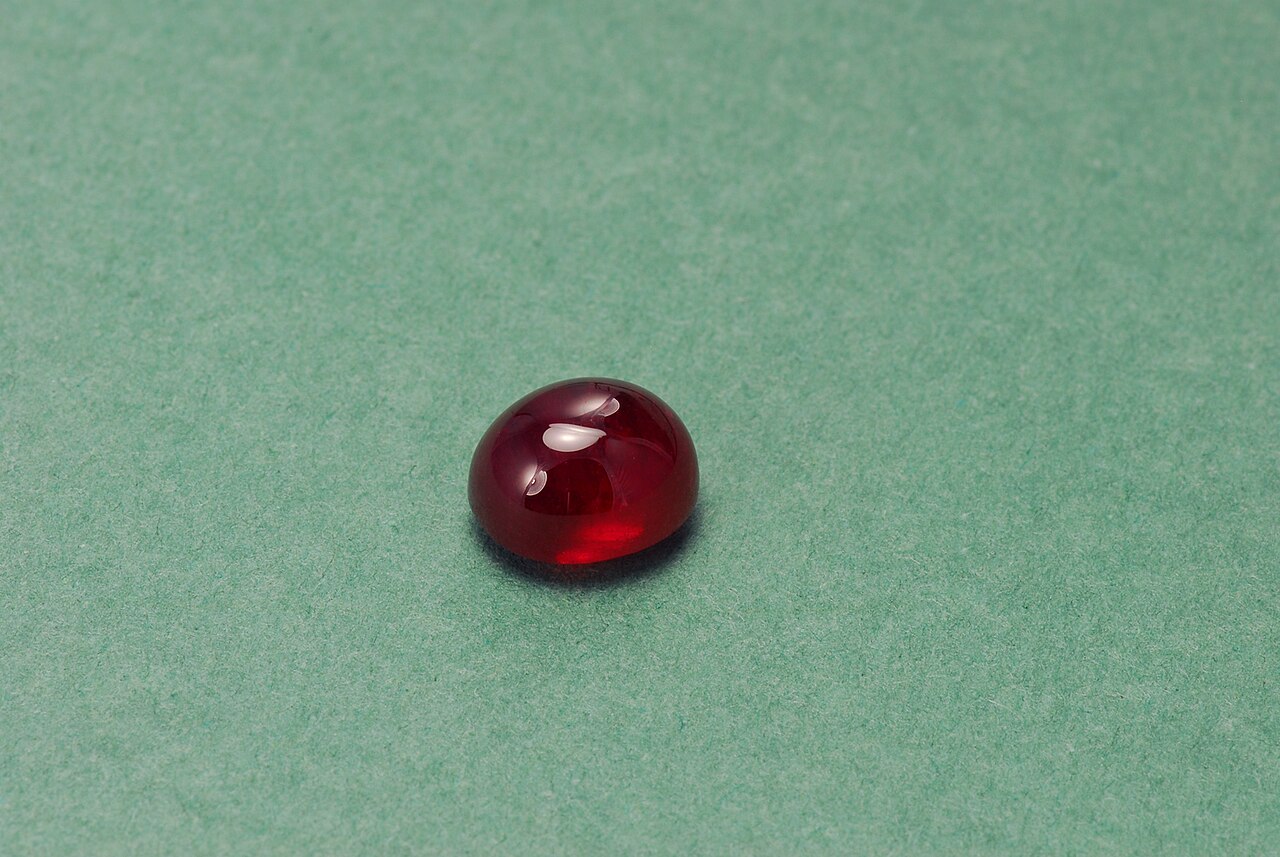
Ruby is the red variety of corundum with chemical composition aluminum oxide. Chromium contributes to its characteristic red color. Natural ruby forms through geological processes; laboratory-grown ruby is created by humans but has essentially the same core mineral chemistry and crystal structure. A red imitation of another material should not be labeled ruby.
Appearance is not a reliable origin test
Natural and laboratory-grown rubies can both be vivid, clean and attractive. Some natural gems show inclusions or color zoning, while certain synthetics display growth features associated with manufacture. Experts interpret those patterns through magnification and instruments. The online claims ‘perfect means fake’ and ‘inclusions mean natural’ are both unreliable.
Hardness and durability
Both forms are corundum at Mohs 9, making them relatively scratch-resistant. Neither is unbreakable, and a brittle edge or fracture can still chip. Jewelry settings must protect vulnerable facets and keep the gem secure. Care also depends on whether filling or other treatments are present.
Treatments and composites
Natural rubies may be heat-treated, and some heavily fractured material may have glass filling. A glass-filled ruby can be substantially more sensitive to repair heat or aggressive cleaning than an untreated stone. It should not be priced or represented as equivalent to fine unfilled natural material. Lab-grown origin is a different issue from subsequent treatment.
Price and documentation
Natural ruby prices depend greatly on color, clarity, cut, size, origin opinion and treatment. Lab-grown ruby may offer a vivid appearance at another price point, but retail ratios are not stable. For expensive stones, choose reports from recognized labs and verify the conclusions about material and detectable treatment. No ruby purchase guarantees a financial return.
How to make an informed choice
Select natural ruby if documented geological origin matters to you. Consider lab-grown ruby if you prioritize corundum’s look and durability at a different price. In either case, obtain written disclosure, weight, dimensions, real photographs, return terms and maintenance guidance.
Interactive buyer checklist
Frequently asked questions
Is lab-grown ruby real ruby?
Yes. Properly named lab-grown ruby is corundum, not glass.
Can you tell by scratching it?
No. The same mineral hardness exists in natural and lab-grown ruby.
Is natural ruby always untreated?
No. Heat and other treatments are possible and should be disclosed.
References and next reading
Gemological Institute of America — gemological reference. Continue with a related GemTycoon guide and the identification chart.
Educational guidance only. Gemstone descriptions, treatments and value require examination of individual specimens. No health or investment claim is made.