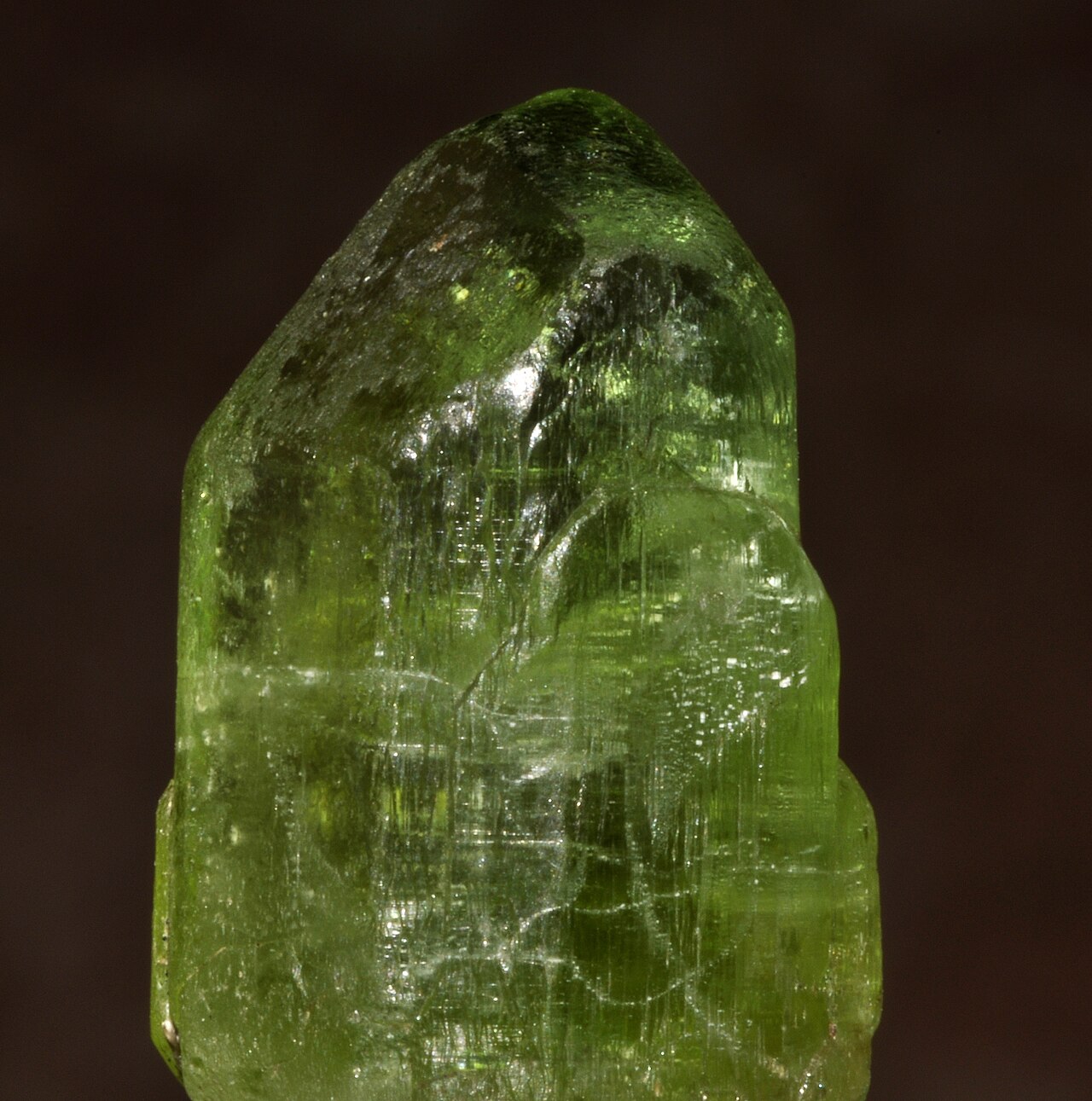
Quick answer. Peridot and emerald are both green gemstones but are chemically unrelated. Peridot is the gem variety of olivine, typically yellow-green; emerald is green beryl, usually colored by trace elements such as chromium or vanadium. Their visual overlap does not make them interchangeable, especially in expensive jewelry.
At-a-glance comparison
| Feature | First material | Second material / explanation |
|---|---|---|
| Mineral | Peridot = olivine | Emerald = beryl |
| Typical hue | Warm yellow-green | Green to bluish-green |
| Hardness | About 6.5–7 | About 7.5–8 |
| Common care issue | Impact and abrasion | Fractures or fillings |
Composition and usual color
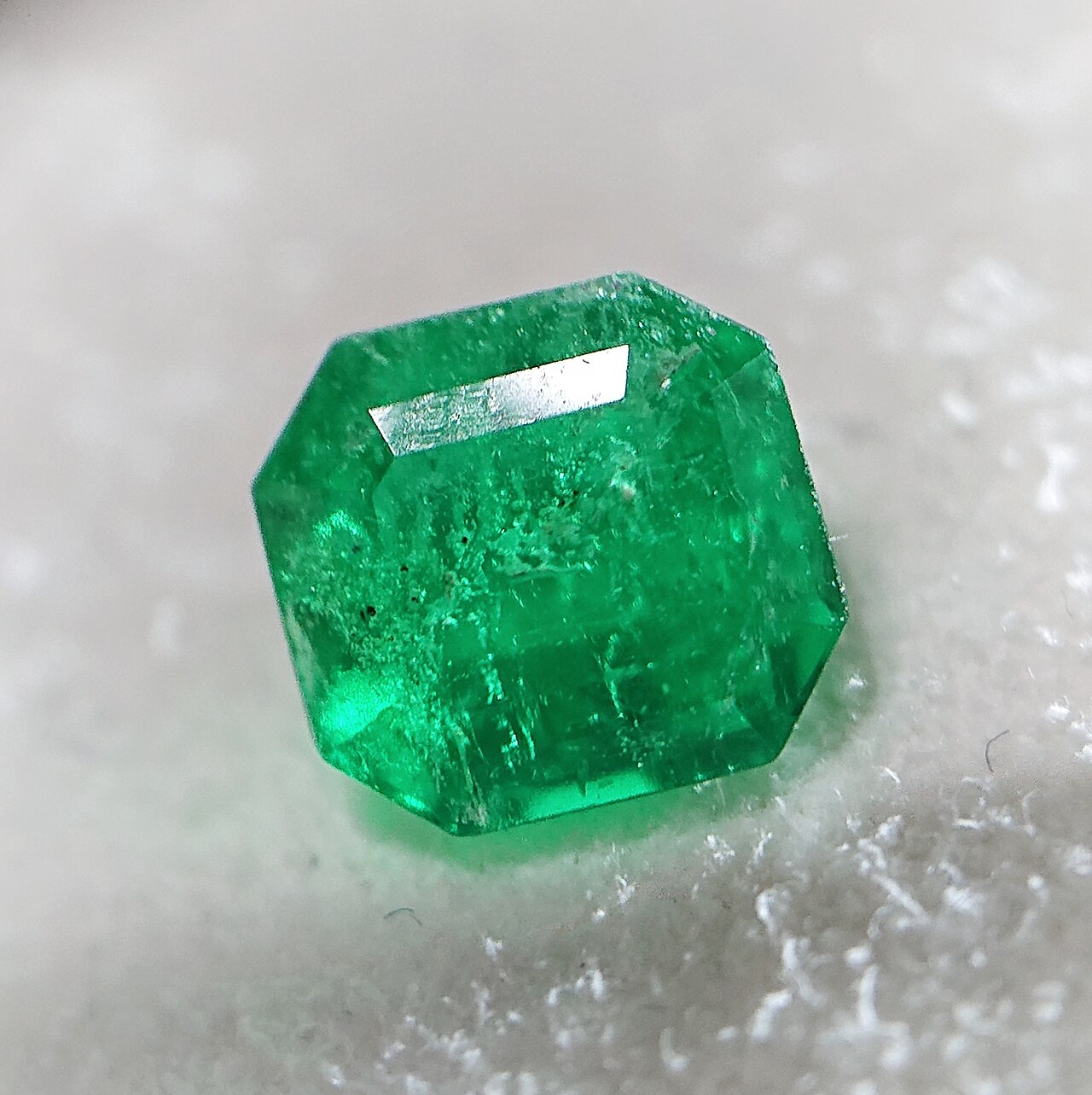
Peridot is magnesium-iron silicate olivine and commonly shows a yellowish or olive green. Emerald is a chromium- or vanadium-colored green beryl variety. Both can have attractive transparent examples, but a deep saturated green emerald may look different from the warm yellow-green of many peridots. Photography and lighting can blur the boundary.
Hardness and wearability
Peridot ranks around Mohs 6.5 to 7, while emerald is about 7.5 to 8. That difference matters for scratch resistance, but emeralds may contain surface-reaching fractures and receive clarity enhancement. Peridot is also susceptible to chipping under impact. Protective settings and careful wear are important for both.
Inclusions and treatment
Emeralds often contain numerous inclusions and may be fracture-filled with oils or resins, affecting cleaning and value. Peridot is generally not heavily treated in the way some other gems are, but each specimen still requires accurate identification. Buyers should not assume untreated status solely from the mineral name.
Why prices differ
Fine natural emerald may command high prices because of its desired color, rarity and collector demand. Peridot can be more accessible in many sizes, but fine examples vary. Price depends on actual color, clarity, cutting, provenance, treatments and market conditions. Do not use a universal value multiplier between them.
Spotting look-alikes
Tourmaline, garnet, glass, dyed quartz and other materials can resemble either green gem. A home scratch test is risky and may not distinguish them. A gemologist uses optical and physical properties, magnification and additional methods when needed. An authenticity report is especially important if origin or treatment creates a large price premium.
Choosing jewelry and caring for it
Choose peridot for the characteristically lively warm green if that is your preference, or emerald for its distinctive beryl color and style. Ask about known fillings, secure setting and cleaning restrictions. Never put a potentially filled emerald into steam or ultrasonic cleaning without professional advice.
Interactive gemstone buying checklist
FAQs — tap to reveal answers
Is peridot a type of emerald?
No. The minerals have different compositions.
Which gem is harder?
Emerald has a higher typical Mohs hardness, although toughness and treatments still matter.
Is every emerald untreated?
No. Many emeralds are clarity-enhanced, and treatments should be disclosed.
Editorial note: Identification, treatment and valuation claims require examination of individual gemstones. Cultural gemstone beliefs are not medical evidence.