Quick answer: The term ‘semi-precious’ is common in retail descriptions, but it is not a rigorous gemological quality grade. A stone called semi-precious can be rare and expensive, while a gemstone marketed as precious may vary widely in quality. Use exact mineral identity and physical properties instead of relying on a two-tier label.
Quick gemstone comparison
| Feature | Material A | Material B / context |
|---|---|---|
| Amethyst | Purple quartz | Mohs ~7 |
| Peridot | Yellow-green olivine | Mohs ~6.5–7 |
| Tourmaline | Many colors | Mohs ~7–7.5 |
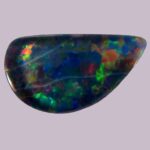
| Opal | Varied; play-of-color | Often more delicate |
Why precious versus semi-precious is misleading
Historically, diamond, ruby, sapphire and emerald were often called precious, with many other gemstones grouped as semi-precious. Modern gemology focuses on mineral identification and individual characteristics rather than assigning every species a fixed value tier. Fine spinel, jadeite, alexandrite or certain garnets can be commercially important, sometimes more costly than lower-quality material from a traditionally precious group.
Popular purple, blue and green stones
Amethyst is purple quartz, while tanzanite is a blue-violet zoisite variety. Aquamarine is blue beryl, and peridot is yellow-green olivine. Tourmaline occurs in multiple green and blue shades, and fluorite can look similar despite lower hardness. Visual overlap makes a color-only identification chart useful for brainstorming but insufficient for authentication.

Popular warm-colored and patterned gems
Citrine is yellow-to-orange quartz, garnet includes several red and orange varieties, and agate is a patterned form of chalcedony. Amber is an organic fossil resin rather than a crystal mineral; pearls are organic materials formed by mollusks. That diversity demonstrates why ‘semi-precious’ is too broad to predict durability or care.
Quick comparison of physical properties
Many quartz varieties are Mohs 7, garnet species vary approximately between 6.5 and 7.5, while opal can be softer and diamond is 10. But hardness is only scratch resistance. Cleavage, toughness, treatments and sensitivity to heat or chemicals also matter. An inexpensive gemstone may still be entirely appropriate for durable jewelry.

Buying by use rather than by label
Choose everyday rings based on wearability and setting protection, and select occasional pieces based more freely on color and design. Ask for the precise species, any known treatments, natural or lab-grown origin and a documented return policy. Do not pay extra simply because a stone is marketed as ‘investment grade’ without credible evidence.
Create your own color reference chart
Record the material name, visible color range, approximate Mohs hardness, optical features and care needs. Keep photographs from consistent lighting and note what remains uncertain. A gemologist can clarify confusing species; online lists should not substitute for testing when a high-value purchase is involved.
Interactive buying checklist
Frequently asked questions
Is ‘semi-precious’ a scientific gemstone category?
No. It is an older commercial convention, not a standardized measure of quality.
Can a semi-precious stone cost more than a precious one?
Yes. Individual rarity, treatment, size, cut and demand matter more than the old labels.
Which is best for daily wear?
Consider hardness, toughness, stability and the setting rather than the category name.
More GemTycoon resources
Explore our related gemstone guide and the gemstone identification chart for more information.
Reference: Gemological Institute of America — educational gemology resource.
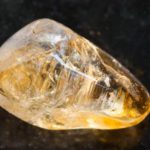
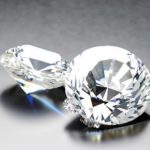
Editorial note: The photographs illustrate gemstone appearances; this article does not authenticate any individual specimen. No gemstone is presented as a medical treatment or guaranteed investment.