Quick answer: Ruby and red spinel can appear remarkably similar, yet they are different minerals. Ruby is red corundum; spinel is magnesium aluminum oxide. Some celebrated historical ‘rubies’ later proved to be spinel, which makes accurate identification more useful than judging price or color alone.
Quick gemstone comparison
| Feature | Material A | Material B / context |
|---|---|---|
| Mineral | Corundum (ruby) | Spinel group |
| Mohs hardness | 9 | 8 |
| Optics | Doubly refractive | Singly refractive |
| Common confusion | Often mistaken for spinel | Historically called ruby |
Ruby and spinel are not the same mineral
Ruby belongs to corundum, with chemical composition aluminum oxide, and chromium produces its red coloration. Spinel is magnesium aluminum oxide and occurs in a wide spectrum of colors. Their appearance overlaps because trace elements may produce saturated red and pink shades in both. A commercial label such as ‘ruby-colored’ does not establish that a stone is ruby.
Comparison chart: physical and optical clues
Ruby has Mohs hardness 9 while spinel is about 8, meaning ruby generally resists scratches more strongly. Spinel is singly refractive in normal gemological conditions, whereas corundum is doubly refractive. Experts can measure refractive index and inspect growth features; trying to scratch jewelry is not a responsible alternative. The cut, visible inclusions and mounting can complicate casual observation.

What to look for in color and inclusions
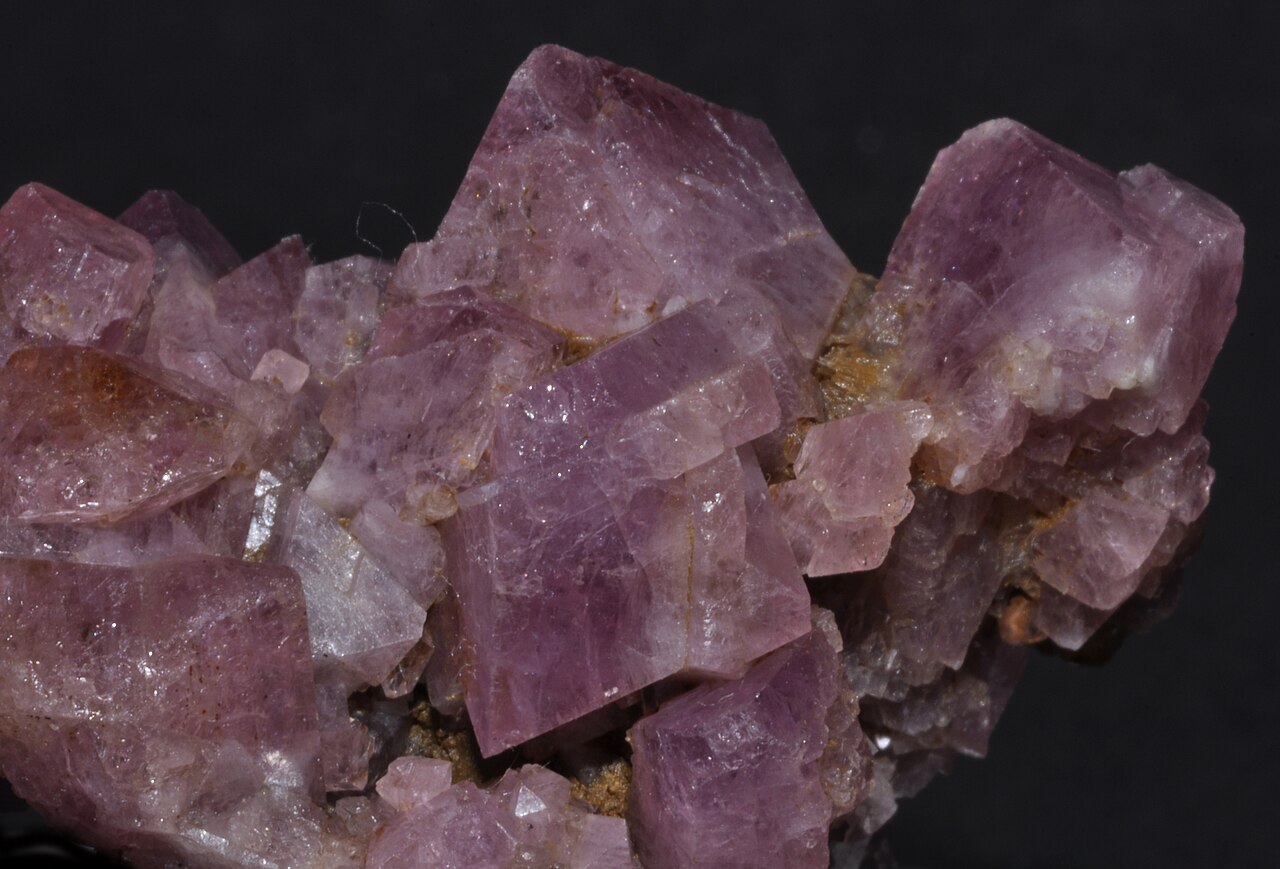
Both minerals can show vivid reds, purplish reds and pinkish colors. Neither perfect clarity nor bright red color proves an origin claim. Under magnification, particular inclusion and growth patterns can help trained specialists; laboratory-grown versions also exist. A picture cannot establish whether the gem is natural, treated, lab-grown or even the mineral named in the listing.
Treatments, origin and price
Ruby may be heated, fracture-filled with glass or treated in other ways. Spinel treatment is less common in some markets, but specific claims still require evidence. Natural origin, exact variety, color and any treatments can materially affect price. Never use ‘untreated’ or a prized mining locality as a selling point without trustworthy documentation.

How to buy without guessing
Compare stones under similar neutral lighting and ask for weight, dimensions, known treatment and natural-versus-laboratory-grown classification. For expensive specimens, a report from a reputable gemological lab is helpful. Ruby and spinel are both legitimate gemstones; the goal is transparent labeling and fair comparison, not declaring one inherently ‘fake’.
Setting and care
Both can be used in rings with secure mountings, but neither is indestructible. Protect exposed corners, have worn prongs inspected and avoid ultrasonic cleaning when treatment or filling is unknown. Store away from harder diamonds and keep the seller’s report and care instructions for future repairs.
Interactive buying checklist
Frequently asked questions
Is spinel a fake ruby?
No. Natural spinel is a genuine and distinct gemstone; calling it ruby would be incorrect.
Can red spinel be as beautiful as ruby?
Yes. Fine examples of both can be vivid and transparent; quality varies per stone.
What is the safest identification method?
Professional optical testing and laboratory examination, especially for valuable stones.
More GemTycoon resources
Explore our related gemstone guide and the gemstone identification chart for more information.
Reference: Gemological Institute of America — educational gemology resource.
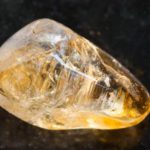
Editorial note: The photographs illustrate gemstone appearances; this article does not authenticate any individual specimen. No gemstone is presented as a medical treatment or guaranteed investment.