Quick answer. Labels such as AAA, AAAA and five-star gemstone quality can look authoritative, but colored gemstones do not share one universal retail letter-grading standard. A seller’s quality label is different from an independent gemological identification report. Understanding that difference can protect buyers from paying for unsupported claims.
At-a-glance comparison
| Feature | First material | Second material / explanation |
|---|---|---|
| Retail AAA label | Seller-defined ranking | Not universally standardized |
| Lab identification | Mineral and origin evidence | Based on testing |
| Value appraisal | Monetary estimate | Separate service |
| Buyer priority | Specific disclosures | Verifiable lab details |
Why AAA is not a universal gemological grade
A dealer may use AAA to describe its own highest tier of color, clarity or cutting, while another dealer may use the same label for a lower tier. The criteria may not be published, and a marketing letter grade need not reflect any laboratory examination. Compare actual gemstone characteristics rather than treating AAA as a standardized guarantee.
What a proper gemstone lab report can establish
A recognized gemological laboratory may identify species and variety, note whether it is natural or laboratory-grown, describe detectable treatments and record weight, dimensions, shape and color. Some reports provide geographic-origin opinions when testing permits. They are not always price appraisals and may not certify a trade seller’s subjective quality score.
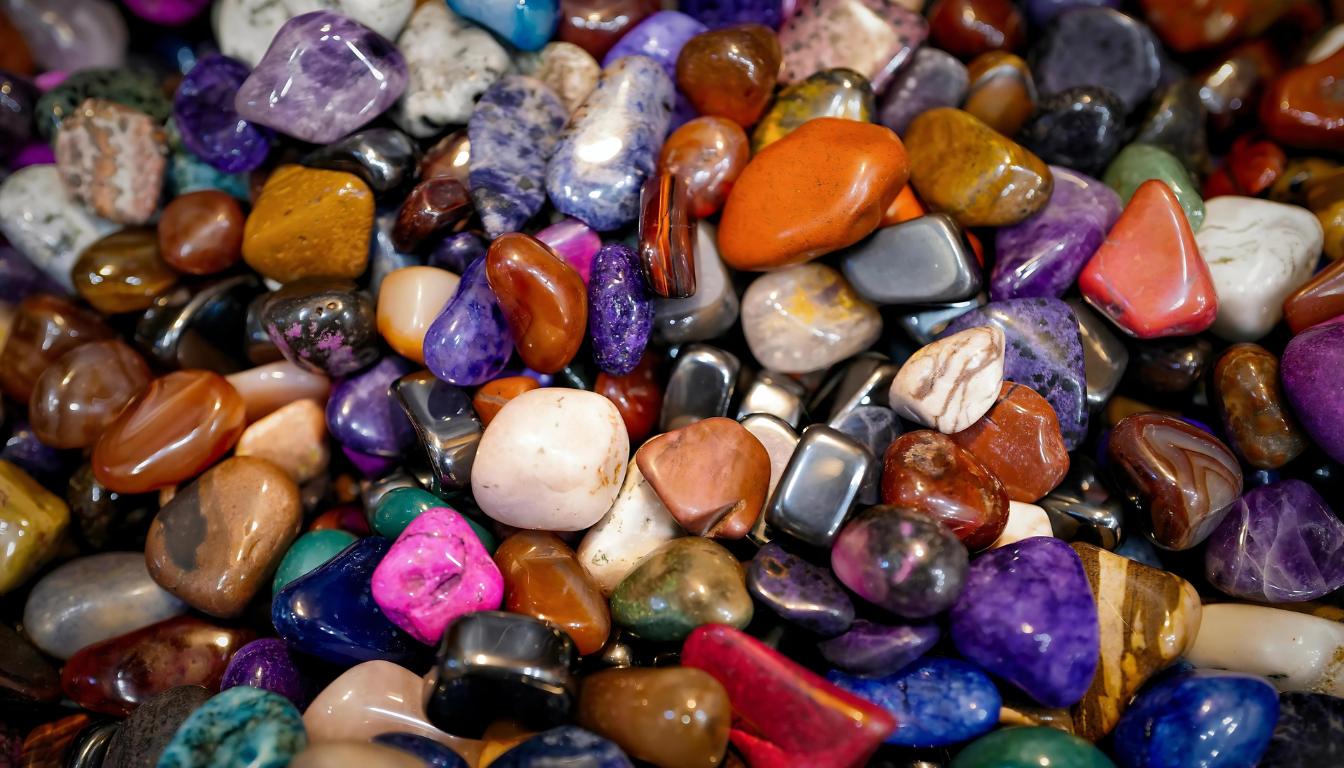
Understand species-specific quality
Color is especially important in many sapphires, rubies, emeralds and spinels, but clarity expectations differ. Inclusions can be common in emerald without automatically making a stone low quality. A fine cut can improve visual appeal, while a deep or uneven cut may reduce brightness. A single AAA sticker cannot explain all of these factors.
Verify the issuing laboratory
Ask who tested the specific stone, the report date and number, and whether the full report can be matched to the gem. Verify the number using the issuer’s official website, not a look-alike domain. A seller-issued card is not necessarily independent testing; report logos and screenshots can be copied or misused.
Pricing and return conditions
A gemstone’s value depends on actual documented material, size, color, clarity, cut, market demand and treatment. Letter grades do not provide a reliable universal price chart. If a costly gem is sold on the claim ‘certified AAAA,’ ask which independent report supports its identity and what happens if independent testing disagrees.
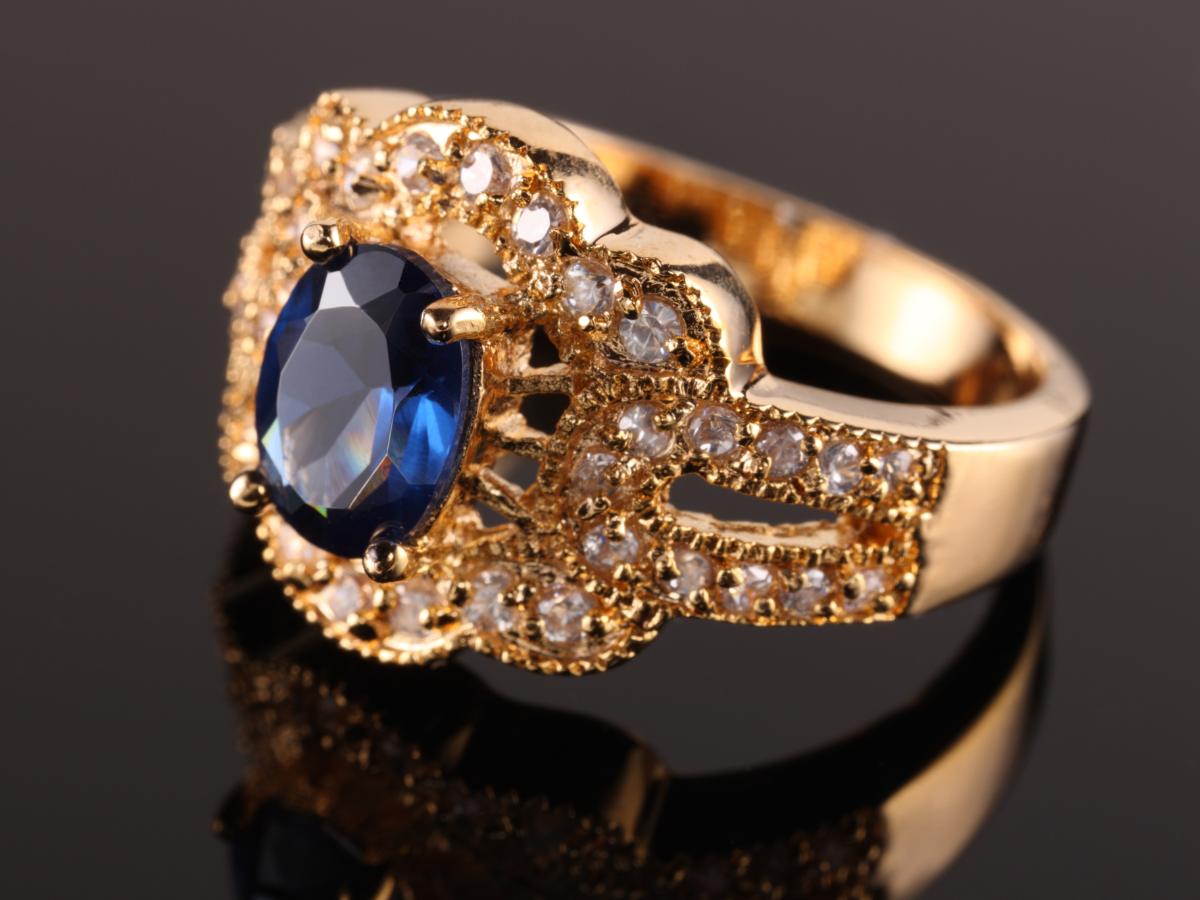
Better questions than ‘Is it AAA?’
Ask for the exact mineral name, natural or synthetic origin, treatment disclosure, millimeter dimensions, clarity notes, independent report if appropriate and photos of the actual item. Then compare stones with similar documentation. Keep purchase and care records together to support repairs or future valuation.
Interactive gemstone buying checklist
FAQs — tap to reveal answers
Does GIA give every sapphire an AAA grade?
No. GIA provides gemological identification and services, not a universal AAA-to-AAAAA grading ladder for colored stones.
Is a seller certificate automatically false?
No, but its scope and independence must be established.
Can a valid report guarantee resale value?
No. Identification is not a financial guarantee.
Editorial note: Identification, treatment and valuation claims require examination of individual gemstones. Cultural gemstone beliefs are not medical evidence.