Updated November 2026
Quick answer: Blue sapphire is blue corundum (aluminum oxide), colored by traces of iron and titanium. It is the second-hardest natural gem (Mohs 9), the September birthstone and a symbol of wisdom and loyalty. The most valued colors are velvety “cornflower” and deep “royal” blue, and the most prized origins are Kashmir, Burma (Myanmar) and Sri Lanka (Ceylon). Prices range from about $50 per carat for commercial stones to $8,000–$18,000+ per carat for fine unheated royal blue, and over $50,000 per carat for top Kashmir sapphires.
Blue sapphire is the best-known member of the sapphire family, which also includes white sapphire and every other color except red (ruby). This guide covers everything you need to understand, value and buy one.
Blue Sapphire at a Glance
| Property | Blue sapphire |
|---|---|
| Mineral | Corundum, Al₂O₃ |
| Color cause | Iron and titanium |
| Mohs hardness | 9 |
| Toughness | Excellent, no cleavage |
| Refractive index | 1.762–1.770 |
| Pleochroism | Violetish blue and greenish blue |
| Specific gravity | ~4.00 |
| Birthstone | September |
| Anniversary | 45th |
| Main sources | Sri Lanka, Madagascar, Myanmar, Thailand, Australia, Montana, East Africa |
What Gives Blue Sapphire Its Color?
Pure corundum is colorless. In blue sapphire, tiny amounts of iron and titanium replace some aluminum atoms; light energy moving between them absorbs yellow and red light, leaving blue. More iron tends to give darker, greener or grayer blues, which is why stones from basalt deposits (Australia, Thailand) are often very dark. See the full spectrum in our sapphire colors guide.
Royal Blue, Cornflower and Other Shades
| Shade | Description | Value |
|---|---|---|
| Royal blue | Deep, intense, slightly violetish blue | Highest |
| Cornflower blue | Velvety medium blue, associated with Kashmir and Ceylon | Very high |
| Medium blue | Pleasant, evenly saturated blue | Good |
| Light or pastel blue | Pale, often Ceylon | Moderate |
| Inky or overly dark blue | Very dark, appears almost black in low light | Lower |
| Teal and greenish blue | Blue with green modifier (popular in Montana and Australian stones) | Varies with taste |
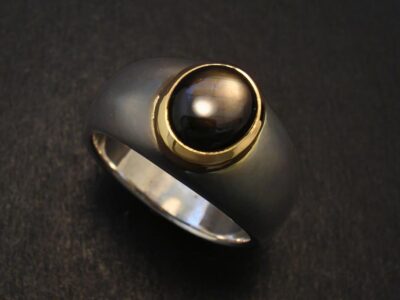
Blue sapphire can also show asterism: star sapphires are cut as cabochons to display a six-rayed star from aligned rutile needles.
Origins: Kashmir, Burma, Ceylon and More
- Kashmir (India): discovered around 1881 in the Himalayan Padar region; mined mainly in the 1880s. Famous for velvety cornflower blue and now extremely rare, appearing mostly at auction.
- Burma (Myanmar): the Mogok Valley produces rich royal blue sapphire alongside its famous rubies.
- Sri Lanka (Ceylon): one of the oldest sources, known for bright light to medium blues. The 12-carat sapphire in the engagement ring given to Princess Diana in 1981, now worn by the Princess of Wales, is a Ceylon sapphire.
- Madagascar: a major modern source since the late 1990s, producing fine blues comparable to Ceylon.
- Thailand and Cambodia, Australia: basalt-related deposits with darker blues; Thailand is the world’s cutting and heat-treatment center.
- Montana (USA): Yogo Gulch produces small, naturally cornflower blue, untreated sapphires.
- East Africa: Tanzania, Kenya and Nigeria produce varied blues.
Origin can strongly affect price, but it should be confirmed by a respected lab, not just a seller’s claim.
How Blue Sapphire Quality Is Judged
- Color (most important): look for strong saturation, medium to medium-dark tone and a pure blue hue without gray or green.
- Clarity: eye-clean is ideal. Fine silk is common and can soften the color attractively; heavy silk makes stones hazy.
- Cut: a good cut shows even color without dark areas or a “window” in the center.
- Carat: fine blue sapphires over 3–5 carats are rare and priced much higher per carat.
- Origin and treatment: unheated stones from Kashmir, Burma and Ceylon command the highest premiums.
Treatments
| Treatment | Effect | Notes |
|---|---|---|
| Heat | Improves color and clarity; permanent | Most blue sapphires are heated; accepted when disclosed |
| Beryllium (lattice) diffusion | Changes color by diffusing beryllium at very high heat | Must be disclosed; worth much less |
| Surface diffusion | Adds a thin blue layer | Lost if re-polished; avoid |
| Glass filling | Fills fractures with lead glass | Fragile; avoid |
Learn how labs detect treatments in how to identify genuine sapphire, and how lab-grown blue sapphire differs in natural vs lab-grown sapphire.
Blue Sapphire Price per Carat
| Quality | Approx. price per carat (USD) |
|---|---|
| Lab-created blue sapphire | $25–$400 |
| Commercial (light, dark or included) | $50–$600 |
| Good, eye-clean medium blue (heated) | $1,000–$3,000 |
| Fine cornflower blue, heated, 2 ct+ | $2,500–$5,500 |
| Royal blue, unheated, 2 ct+ | $8,000–$18,000+ |
| Fine Kashmir | $50,000+; records above $100,000 |
Approximate retail ranges, November 2026. Most good blue sapphires cost less than a natural diamond of the same weight, but the finest unheated stones cost more; see sapphire vs diamond.
Meaning, History and Astrology
Blue sapphire has symbolized wisdom, truth, loyalty and nobility for centuries; medieval kings and clergy wore it, and it remains a classic engagement stone. It is the September birthstone and the 45th-anniversary gem. In Vedic astrology, blue sapphire (Neelam) is the gemstone of Saturn (Shani) and is traditionally considered powerful, so practitioners usually advise consulting an astrologer and sometimes wearing it on trial before committing. These are cultural beliefs, not proven effects. For the colorless variety’s role (Venus), see white sapphire meaning and astrology.
Blue Sapphire vs Diamond and Look-Alikes
Blue sapphire is the most popular colored alternative to a diamond engagement ring; read sapphire vs diamond and best diamond alternatives. Stones that can be mistaken for blue sapphire include tanzanite, iolite, blue spinel, blue topaz, kyanite and glass; a refractometer reading of 1.76–1.77 and corundum’s strong pleochroism help identify the real thing. See also aquamarine vs blue topaz for other blue gems.
Buying Tips
- Judge color in daylight and indoor light; avoid stones that look black indoors.
- Ask whether the stone is heated, diffused or filled, and get it in writing.
- For stones over about $1,000, ask for a report from a respected lab such as GIA, AGL, Gübelin, SSEF or GRS; see how to read a gemstone lab report.
- Choose a protective setting; sapphire is tough, but prongs and edges still wear.
- Compare price per carat across similar color, size and treatment.
FAQs
What is the most valuable color of blue sapphire?
An intense, velvety royal or cornflower blue with no gray or green, ideally unheated and from a classic origin.
Is blue sapphire more expensive than diamond?
Most blue sapphires cost less than a comparable diamond, but fine unheated stones can cost more per carat.
Is blue sapphire good for an engagement ring?
Yes. At Mohs 9 with excellent toughness, it is one of the best gems for daily wear.
How can I tell if a blue sapphire is real?
Look for natural inclusions under magnification, check pleochroism, and confirm with a gem lab. Avoid home scratch tests.
Stay tuned to Gems Tycoon for more gemstone guides.