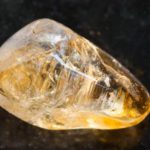
Amethyst is the purple variety of quartz. Real amethyst may be natural or laboratory-grown, while purple glass and other materials may serve as imitations. Neither a deep purple color nor a visible inclusion provides definitive authentication; use material identification and documented origin instead.
Amethyst is quartz, not a separate mystery mineral
Amethyst has the chemical composition SiO2 and a Mohs hardness around 7. Its violet to purple hues can be associated with trace elements and natural processes. A purple mineral may instead be fluorite, spinel, glass or another substance. The label ‘crystal’ on an online listing is a broad descriptive word, not evidence of quartz identity.
Look for patterns, but avoid magic rules
Natural amethyst may display zoning, visible growth structures, color variation and internal inclusions. However, some high-quality natural material looks relatively clean, and lab-grown stones can have growth-related features. Rules claiming that every air bubble proves fake or every color band proves natural are too simplistic. Photographs can help document appearances without conclusively identifying a gem.
How can experts test purple gemstones?
A gemologist may inspect refractive index, optical behavior, microscopic growth structures and other properties. Distinguishing amethyst from fluorite is more straightforward when accurate material measurements are available; separating naturally grown from laboratory-grown quartz may require more expertise. For valuable jewelry, request a recognized laboratory identification if the claim affects price.
Why scratch, ice and heat tricks should be avoided
Home videos sometimes recommend scratching a bottle, exposing the stone to flame or placing it on ice to infer identity. These demonstrations can harm gemstones, mountings or treatments and do not reliably establish natural origin. A synthetic quartz gem can share quartz hardness, so a scratch result cannot decide whether a purple stone formed geologically.
Natural amethyst versus colored and treated look-alikes
Dyed quartz, manufactured glass or other purple materials can be sold as amethyst imitations. Heat can also transform some amethyst into yellow-to-orange quartz marketed as citrine. Dyeing, coatings and growth origin are different issues, so ask the seller for full disclosure rather than relying solely on the word ‘genuine’.
Buying and caring for amethyst
Examine the stone in neutral light, inspect for chips and surface-reaching cracks, and confirm the seller’s return policy. Avoid harsh chemical cleaning or sudden heat changes. Store quartz away from harder diamonds and corundum. For everyday rings, understand that Mohs 7 can still permit abrasion during rough wear. Read related gemstone comparison guides before selecting jewelry.
Questions buyers frequently ask
Can a photo confirm a stone’s origin or treatments?
No. Appearance alone cannot resolve all identification questions, especially for valuable gemstones.
Do natural gemstones always have higher value?
No. Quality, rarity, treatment, demand and documentation matter; a natural designation alone is not a price guarantee.
Should I perform scratch or chemical tests at home?
No. Destructive tests can damage valuable jewelry without proving authenticity.
Related GemTycoon reading
Research sources
General gemology and buying guidance, not a laboratory authentication or appraisal of an individual gem.