
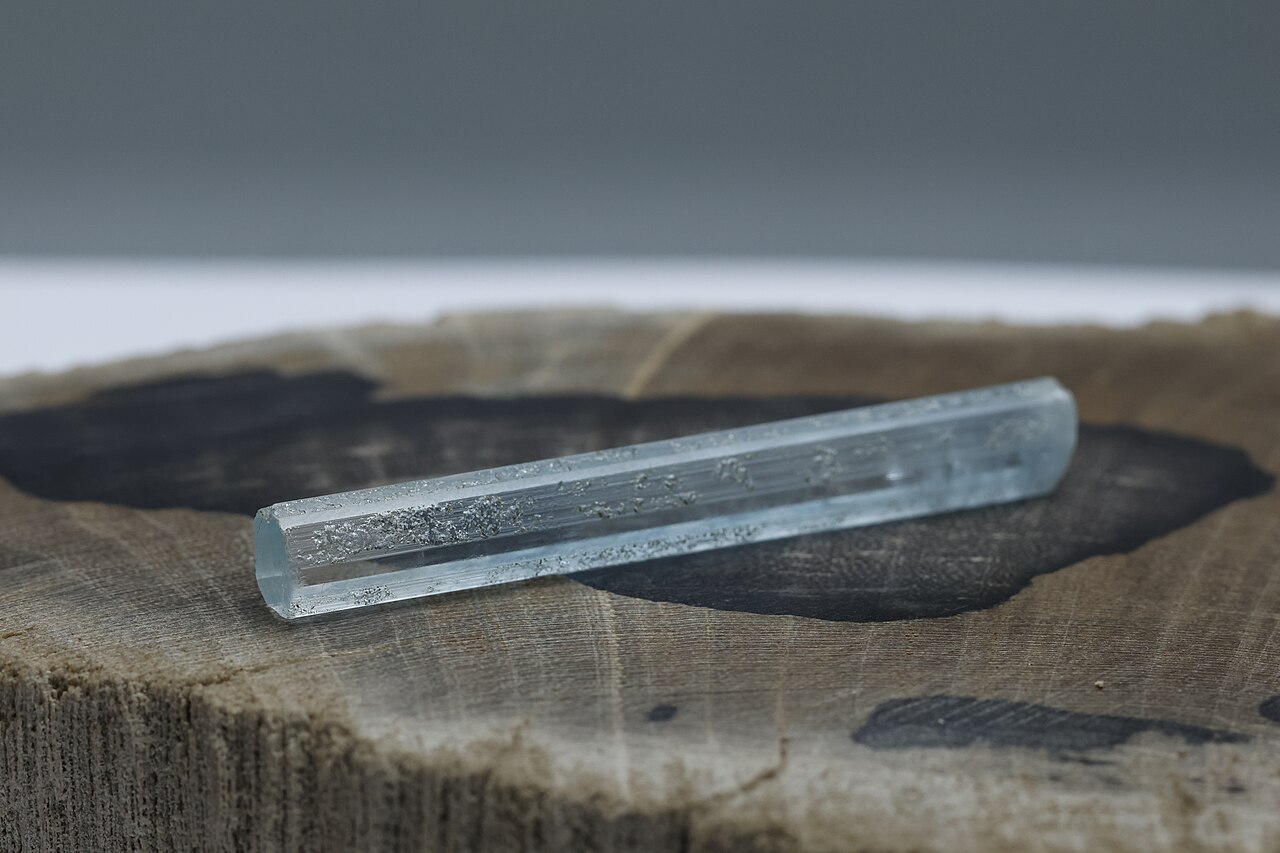
Quick answer. Aquamarine and blue topaz may both look light blue in jewelry photographs, but they are different minerals. Aquamarine is blue-to-blue-green beryl; topaz is an aluminum fluorosilicate. Understanding typical treatments, optical appearance and cleavage helps explain why similar-looking rings can have different prices.
At-a-glance comparison
| Feature | First material | Second material / explanation |
|---|---|---|
| Gem species | Aquamarine = beryl | Blue topaz = topaz |
| Hardness | About 7.5–8 | 8 |
| Treatment | Heating sometimes used | Blue commonly treatment-related |
| Main care issue | Protect from impact | Cleavage makes impact important |
Mineral identities and color
Aquamarine belongs to beryl, the same mineral family as emerald, although it is a different variety. Blue topaz is topaz, not blue beryl. Both can appear pale or vivid depending on the specimen and lighting. Color alone cannot prove the species, especially when gems are mounted or heavily edited in product photographs.
Why blue topaz is often treated
Much blue topaz in commercial jewelry receives irradiation and heating to create or intensify its blue appearance. Aquamarine may also be heated to reduce greenish components and enhance blue. Treatment descriptions must be interpreted for the individual stone; neither natural formation nor untreated color can be assumed from an attractive photograph.
Hardness and cleavage differences
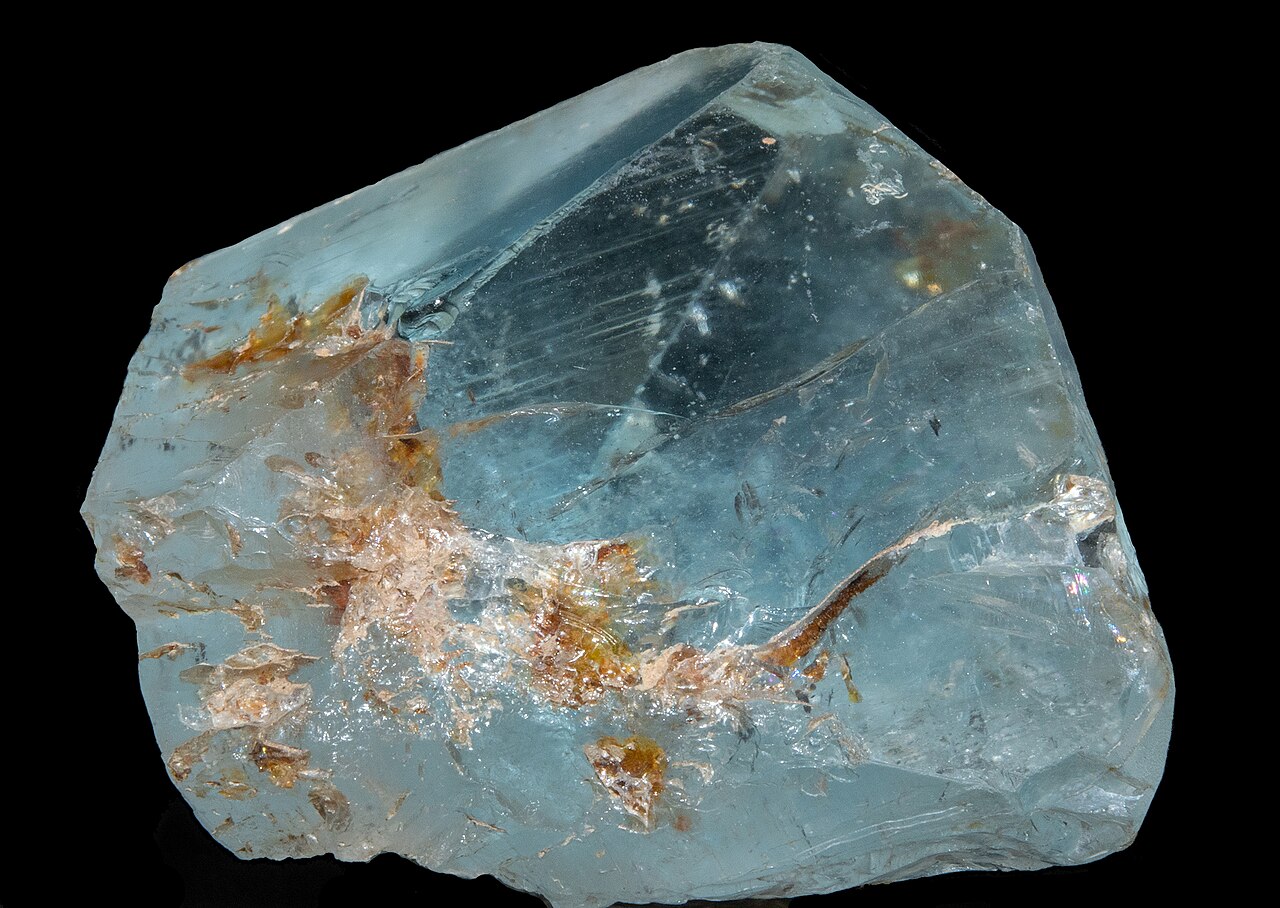
Aquamarine is around Mohs 7.5 to 8, while topaz is 8. But topaz has pronounced cleavage, making impact damage a real possibility despite its scratch resistance. Aquamarine can also chip or fracture. Both require secure settings and care with pointed cuts, and neither should be subjected to destructive home scratch tests.
Appearance under neutral lighting
Aquamarine often shows cool, watery blue-to-blue-green tones; some blue topaz can appear more saturated or artificially uniform. These are broad tendencies, not diagnostic rules. A gemologist can use refractive, optical and other properties to distinguish the minerals. Lighting, cutting and backing materials can change face-up color.
Understanding price and quality
Fine aquamarine can command a premium over some treated blue topaz, but there is no fixed universal price ratio. Carat weight, clarity, color, cutting and documented treatments influence the market. A large inexpensive blue stone is not automatically imitation; a costly stone is not automatically aquamarine.
Buying and caring for jewelry
Ask for the exact mineral identity, any heat or irradiation treatments, gem dimensions and a suitable return policy. A reputable laboratory report is useful when price depends on a rare origin or unusual treatment claim. Avoid harsh impacts and ask about safe cleaning before using ultrasonic or steam equipment.
Interactive gemstone buying checklist
FAQs — tap to reveal answers
Is blue topaz the same as aquamarine?
No. They belong to different mineral species.
Is treated blue topaz fake?
No, it can be genuine topaz with disclosed color treatment.
Can you tell from a picture?
Not confidently. Laboratory testing is appropriate for valuable or disputed items.
Editorial note: Identification, treatment and valuation claims require examination of individual gemstones. Cultural gemstone beliefs are not medical evidence.


