Quick answer: Moissanite and white sapphire are popular diamond alternatives but have different compositions and optical appearances. Moissanite is silicon carbide; white sapphire is colorless corundum. The right choice depends on sparkle preference, scratch resistance, the setting and honest seller identification.
Quick gemstone comparison
| Feature | Material A | Material B / context |
|---|---|---|
| Composition | Silicon carbide | Corundum |
| Mohs hardness | About 9.25 | 9 |
| Sparkle | Often stronger rainbow fire | Usually more subdued |
| Origin | Jewelry material typically lab-made | Natural or lab-grown |
What each gemstone actually is
Moissanite sold for jewelry today is generally laboratory-produced silicon carbide, valued for its strong brilliance and dispersion. White sapphire is corundum without strong body color, and both natural and lab-grown examples exist. Neither should be sold as diamond. Ask for the material name rather than accepting a broad label such as ‘diamond substitute’.
Sparkle: brilliance versus rainbow fire
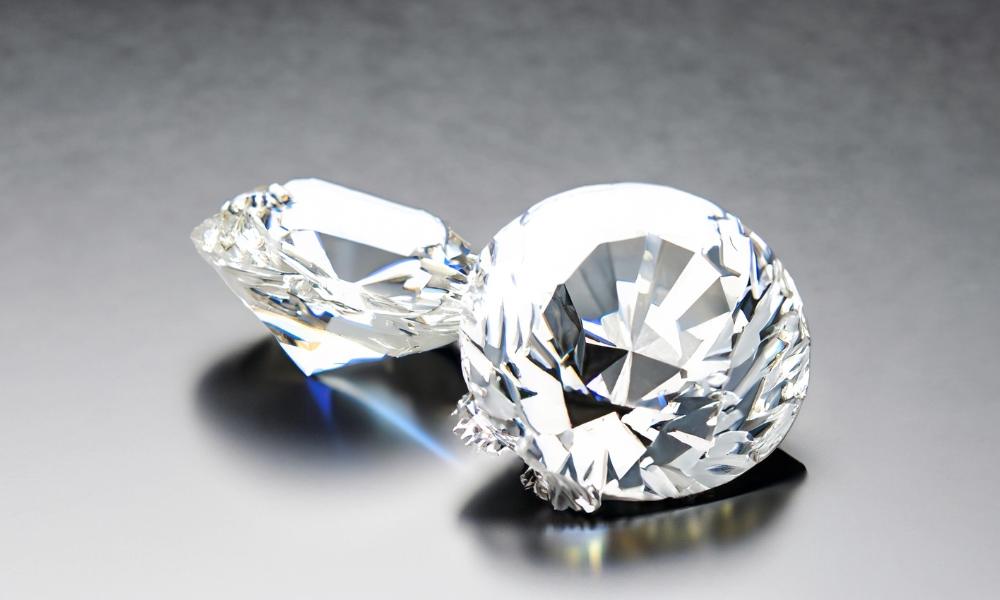
Moissanite commonly produces noticeable flashes of spectral color because of its high dispersion, particularly under spotlighting. White sapphire often looks more subdued and typically has less rainbow fire. Cut and lighting significantly change both appearances. A sparkling video is not a reliable test of identity or quality without consistent conditions.

Hardness and daily wear
Moissanite is around 9.25 on the Mohs scale, while sapphire is 9. Both offer very good scratch resistance, but hardness does not guarantee freedom from chips or fractures. The prongs and exposed facets may be damaged through rough impacts. Ring choice should consider metal, cut style and how frequently the wearer works with their hands.
Color, clarity and cut
Colorless gemstones may appear warmer, cooler or grayer depending on the specimen and lighting. Moissanite can show optical doubling through some facets; white sapphire has different refractive behavior. Both materials need competent cutting to avoid poor light performance. Compare the actual pieces under daylight and indoor light rather than comparing edited product photos.
Price and what you’re paying for
Laboratory-produced moissanite and sapphire have different pricing structures; brand, size, craftsmanship, retailer and quality influence the final price. Avoid treating a generic ‘per carat’ chart as a promise because the market changes. Verify whether the listing is natural white sapphire, lab-grown corundum or moissanite before drawing a value comparison.
Best options for engagement rings
Choose moissanite if lively rainbow fire is the priority and choose white sapphire if a subtler look is preferred. Consider a bezel or a secure prong setting and ask the jeweler about routine cleaning. A transparent dealer should provide exact materials, dimensions, return terms and warranty information.
Interactive buying checklist
Frequently asked questions
Is white sapphire the same as moissanite?
No. They are chemically and optically different gemstones.
Which sparkles more?
Moissanite commonly shows more rainbow dispersion, but cut and lighting matter.
Which is better for a ring?
Both can work well; choose based on verified material, appearance, setting and budget.
More GemTycoon resources
Explore our related gemstone guide and the gemstone identification chart for more information.
Reference: Gemological Institute of America — educational gemology resource.
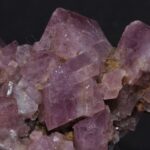
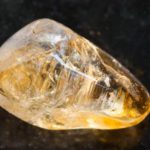
Editorial note: The photographs illustrate gemstone appearances; this article does not authenticate any individual specimen. No gemstone is presented as a medical treatment or guaranteed investment.