In brief: Amber is fossilized tree resin, whereas copal is generally younger, less mature resin and plastic is a manufactured material. The three can resemble one another as honey-colored beads. Marketing terms and tiny inclusions are not enough to verify a specimen, especially when an item is sold as ancient amber.
Quick comparison chart
| Feature | First material | Second material / context |
|---|---|---|
| Amber | Fossilized resin | Organic gem material |
| Copal | Younger or less mature resin | Terminology can vary |
| Plastic | Manufactured imitation | May resemble amber |
| Important test | Professional analytical testing | Avoid hot needles or chemicals |
Amber is organic material, not a crystal
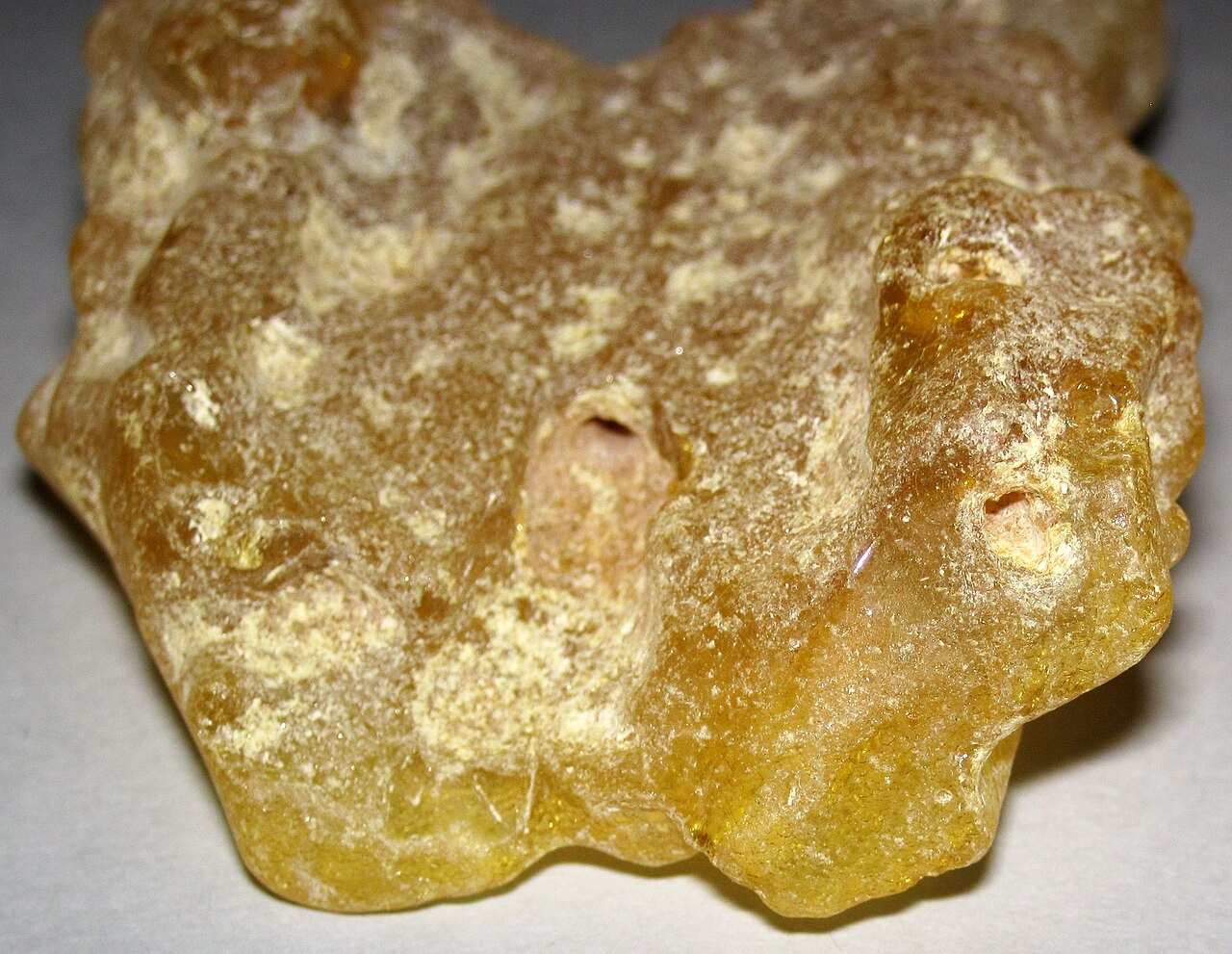
Amber originates as plant resin and undergoes geological change over time. It is not crystalline quartz or a mineral species like sapphire. It can occur in yellow, orange, reddish and other colors, with variable transparency. Because it is organic, its behavior under heat and solvents differs from many hard gemstones, which changes cleaning advice.
Why copal is not automatically amber
Copal is a broad term often used for younger or less fully fossilized resins. The exact boundary can be debated across collectors and scientific settings. An attractive copal bead can be legitimate when properly labeled, but selling it as old fossil amber can mislead buyers about rarity and price. Geological age claims should be supported by reputable evidence.
Plastic and assembled imitations
Plastic, resin casts and composite products can mimic amber’s color and clarity. Some include embedded insects or plant material positioned deliberately. A trapped insect is not proof of geological antiquity; natural inclusions and manufactured inclusions both exist. Ask for transparent manufacturing and origin disclosure rather than relying on a dramatic photo.
Why saltwater, flame and solvent tests are risky
Online guides may suggest heating amber to smell resin, touching it with hot needles, or applying acetone. Those methods can cause permanent damage, release unpleasant fumes and still yield misleading results. Flotation and static behavior vary with material and specimen preparation. Use a professional gemological assessment for valuable material.
A safe inspection approach
Record the weight, clarity, inclusions, surface condition and seller’s claimed provenance. Examine the item without scratching or overheating it. An expert may use infrared spectroscopy and optical testing to investigate resin composition, while some complex pieces need specialist research. Not every specimen can be precisely dated by casual jewelry testing.
Pricing and care
Compare actual material, transparency, workmanship, size, documentation and any reported inclusions. Store amber and copal away from stronger chemicals, high heat and harder gemstones that may abrade the surface. Do not treat amber jewelry as guaranteed collectible investment; accurate description matters more than an unsupported rarity story.
Interactive buyer checklist
Frequently asked questions
Does an insect inside prove real amber?
No. Inclusions can be manufactured or represented inaccurately.
Is copal fake amber?
Copal is genuine resin but should not be mislabeled as fossil amber.
Can I burn an amber bead to test it?
No. Heating and burning can destroy it and create safety risks.
References and next reading
Gemological Institute of America — gemological reference. Continue with a related GemTycoon guide and the identification chart.
Educational guidance only. Gemstone descriptions, treatments and value require examination of individual specimens. No health or investment claim is made.