Quick answer. Green aventurine is a variety of quartz material containing reflective inclusions, while jade normally means jadeite or nephrite. Both can appear green and be fashioned into pendants, bracelets and carvings. Trade names, polish and background lighting can easily confuse casual buyers.
At-a-glance comparison
| Feature | First material | Second material / explanation |
|---|---|---|
| Material | Jadeite or nephrite | Quartz-rich aventurine |
| Common look | Smooth/translucent green | Often fine shimmer |
| Toughness | Notably high | Varies; more ordinary quartz behavior |
| Buying focus | Species and treatments | Accurate quartz identification |
The material behind each name
Aventurine is often quartz with fine inclusions that can create subtle glittering aventurescence. Jadeite is a pyroxene and nephrite is amphibole-rich material. These are different geological substances. Calling green aventurine ‘Indian jade’ or ‘jade quartz’ can be confusing when a shopper expects one of the recognized jade materials.
How color and texture compare
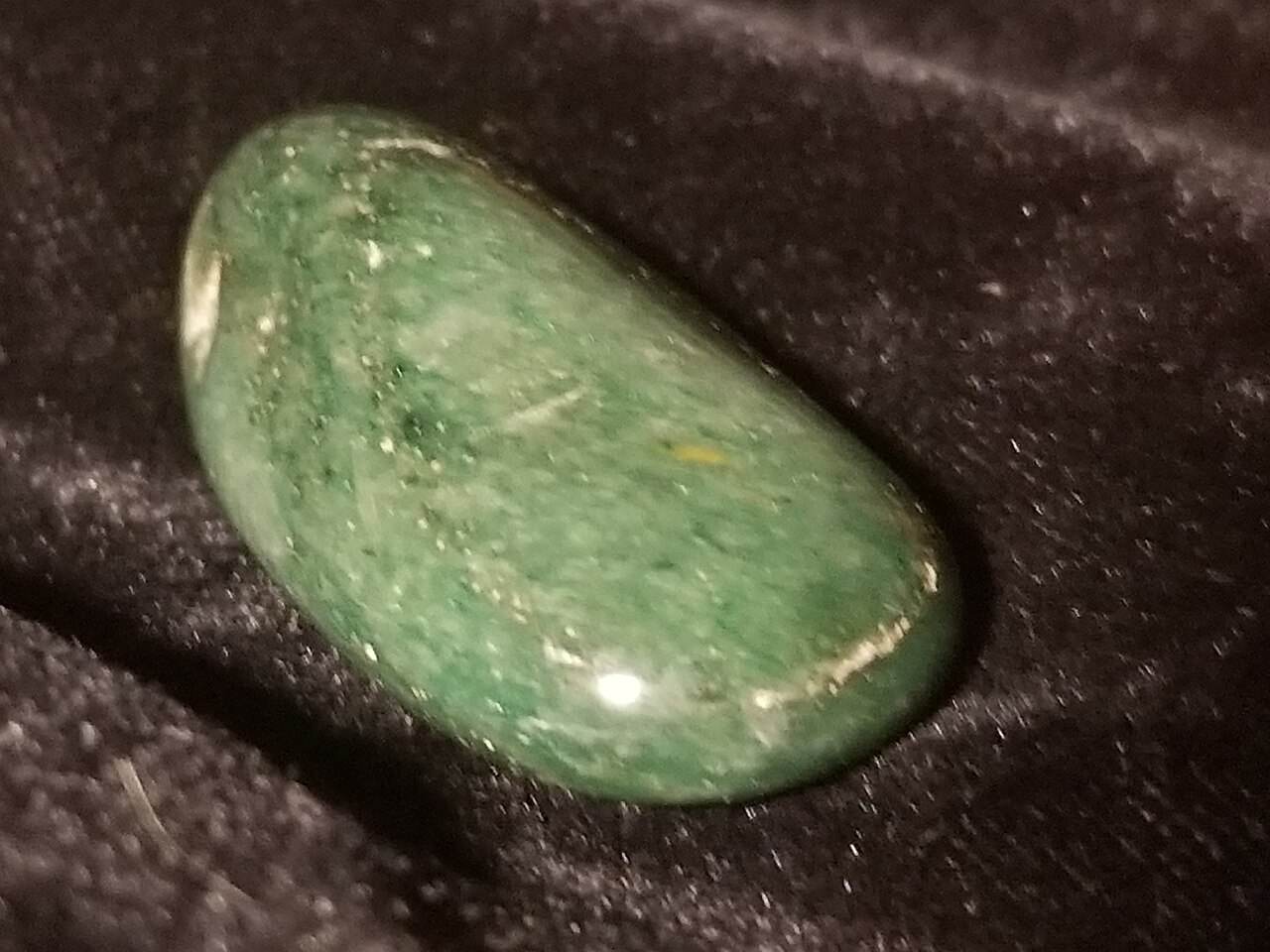
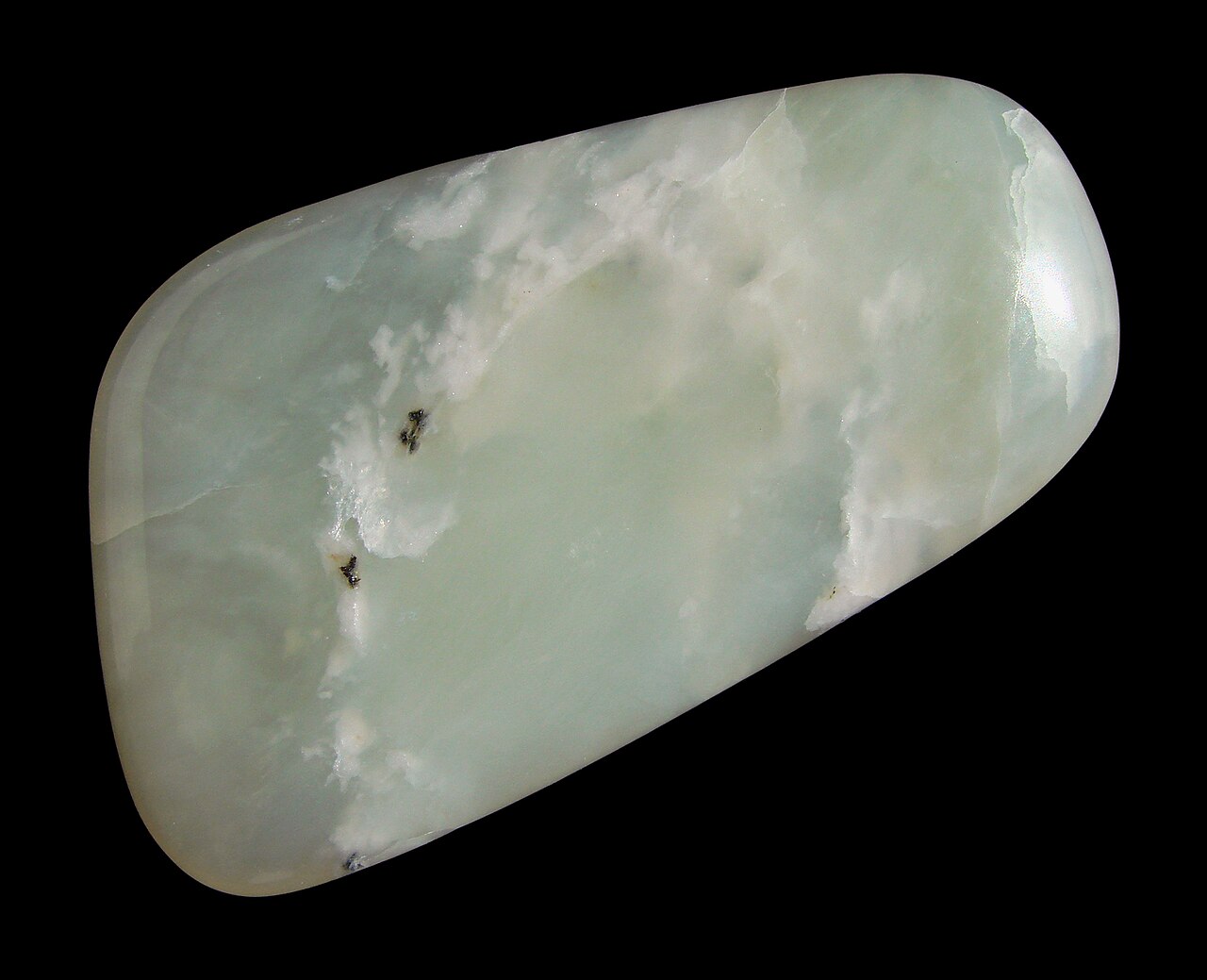
Aventurine commonly looks green with fine specks or shimmer when rotated under light. Jade can show granular, fibrous or finely interlocking texture, with translucency depending on quality. But polished beads and diffuse photography can hide these differences. Visible sparkle may be a clue, not a laboratory-grade identity test.
Hardness is not the only issue
Quartz-family aventurine generally has Mohs hardness around 7. Jade materials are often slightly softer in terms of scratching but exceptionally tough because of their structure. Those two material properties are different. Do not use destructive scratch demonstrations to identify a bracelet; a professional can apply multiple tests more safely.
Common marketing names
Listings may use phrases like African jade, new jade or Indian jade for materials that are not jadeite or nephrite. The exact name matters because a large carved piece of green quartz and fine untreated jadeite can occupy very different markets. Ask the seller for mineral identification rather than treating an attractive color as sufficient.
Treatments and dyes
Both jade materials and other green stones may be dyed or impregnated. Natural or laboratory-grown categories also should not be confused with dyed treatments. Acid and solvent home tests risk damaging coatings, beads and findings. An independent gem lab can provide useful evidence when price depends on unenhanced jadeite claims.
Best uses and cleaning
Choose either for appearance if you know what material it is. Aventurine can suit decorative beads and jewelry; jade may be preferred for certain carving traditions and tough bangles. Store the piece away from harder jewels and ask about unknown dyes or polymer fills before aggressive cleaning.
Interactive gemstone buying checklist
FAQs — tap to reveal answers
Is green aventurine real jade?
No. It is normally quartz-based material, not jadeite or nephrite.
Does sparkling green prove aventurine?
No. Sparkle can prompt closer examination but does not prove identity.
Can jade be harder than quartz?
Hardness and toughness differ; jade can be exceptionally tough without being more scratch-resistant than quartz.
Editorial note: Identification, treatment and valuation claims require examination of individual gemstones. Cultural gemstone beliefs are not medical evidence.