Quick answer. Jade is a traditional name that refers chiefly to two separate mineral materials: jadeite and nephrite. Both can be attractive and exceptionally tough, but mineral composition, texture, color range, treatments and market values differ. ‘Grade A jade’ and ‘jade-colored’ are not interchangeable descriptions.
At-a-glance comparison
| Feature | First material | Second material / explanation |
|---|---|---|
| Mineral family | Jadeite: pyroxene | Nephrite: amphibole aggregate |
| Typical colors | Green, lavender, white, others | Green, white, others |
| Key strength | Excellent toughness | Excellent toughness |
| Buyer concern | Polymer and dye disclosure | Exact species identification |
Jadeite and nephrite are different minerals
Jadeite is a pyroxene, while nephrite is a dense aggregate of amphibole minerals. Both have long histories in carving and jewelry, and neither is automatically imitation. Their interlocking microscopic structures contribute to toughness. A green stone labeled jade may instead be aventurine, serpentine or another look-alike, so identification matters.
Color and translucency
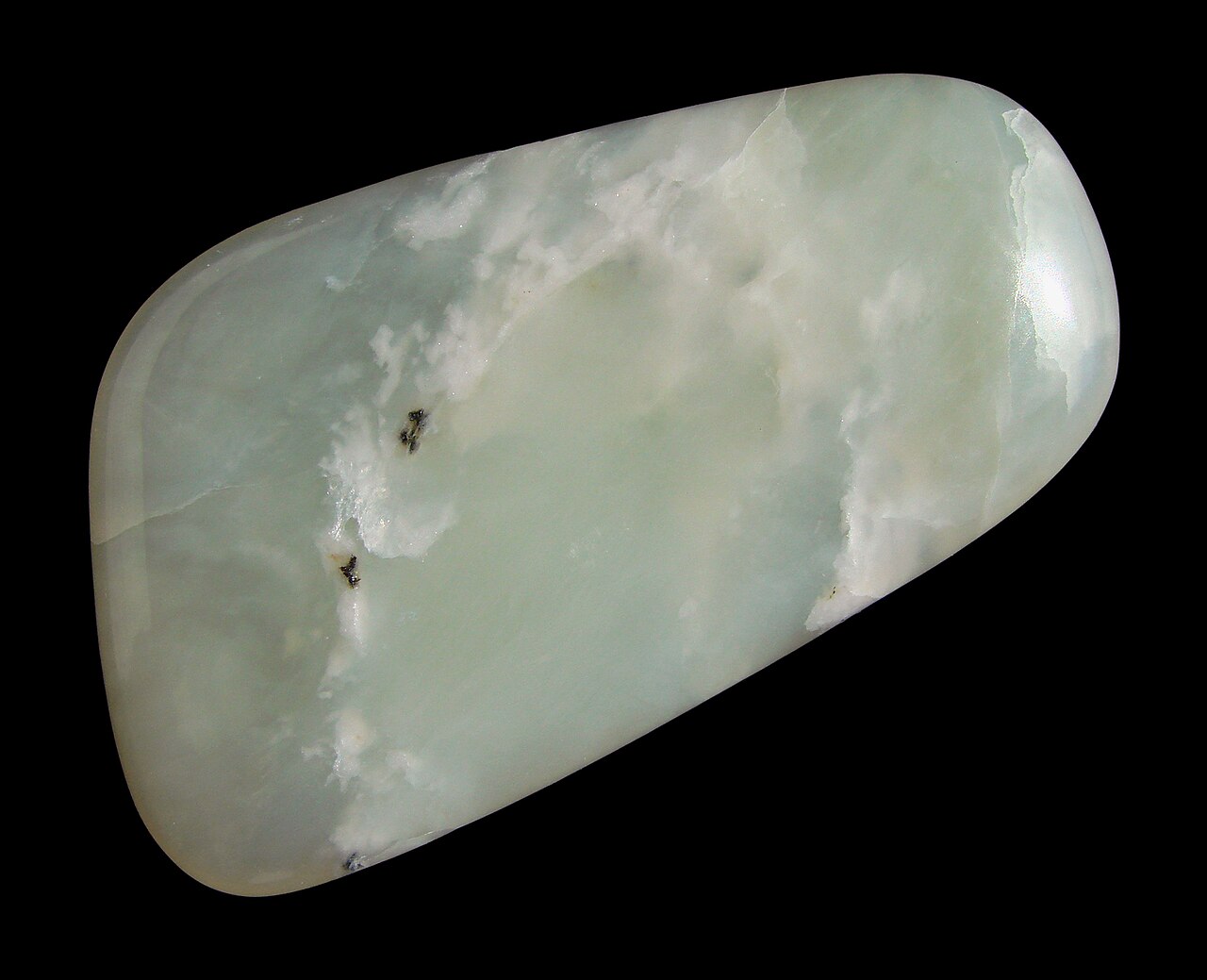
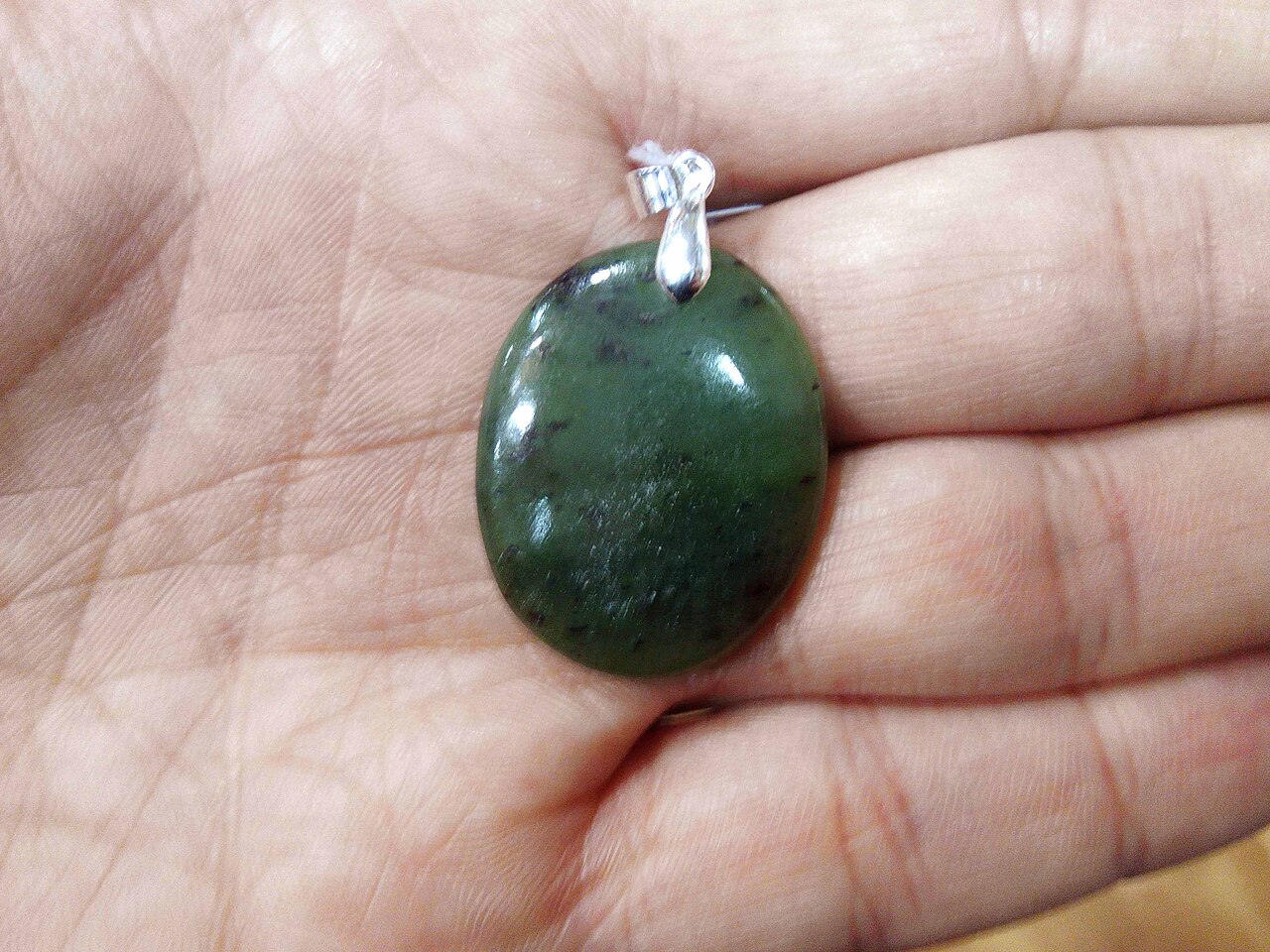
Jadeite ranges across greens, white, lavender, yellow and other hues. Fine translucent green jadeite is highly regarded in some markets, but not every jadeite is deep green. Nephrite also occurs in green, white and other colors, often with a distinctive texture. A photograph can show appearance but cannot establish species or treatment.
What ‘A jade’ means in trade
In the jadeite trade, A jade generally refers to natural jadeite that has not been polymer-impregnated or dyed, though conventional processing like waxing may be permitted in some descriptions. B and C designations concern treatment categories and must not be mistaken for universal quality grades. Ask for an independent report if a valuable piece is sold as untreated.
Treatments and look-alikes
Jadeite may be bleached, polymer-impregnated or dyed. Other green stones may be marketed as jade, and a seller’s ‘pure natural’ assertion does not prove mineral identity. Reputable gemological labs can employ spectroscopy and microscopy to identify treatment. Avoid acid or hot-needle experiments, which can destroy finishes and are not appropriate buyer tests.
Toughness versus hardness
Both jade materials are famous for toughness but are not as scratch-resistant as diamond or sapphire. A durable carving may still develop surface wear after contact with harder minerals. Quality depends on texture, clarity, color and workmanship rather than an oversimplified hardness ranking.
How to buy jade confidently
Ask whether the item is jadeite or nephrite, whether it has been dyed or impregnated, and whether a trusted laboratory report accompanies an expensive specimen. Study its translucency, texture and workmanship under neutral lighting. Avoid guaranteed investment claims and compare similarly documented items.
Interactive gemstone buying checklist
FAQs — tap to reveal answers
Are both jadeite and nephrite real jade?
Yes. Both are traditionally recognized jade materials.
Does green color prove jadeite?
No. Many minerals can be green and require testing.
Is jadeite ‘Grade A’ a universal beauty grade?
No. In trade it primarily addresses treatment classification, not a globally uniform beauty score.
Editorial note: Identification, treatment and valuation claims require examination of individual gemstones. Cultural gemstone beliefs are not medical evidence.