Quick answer: Diamond does not have to be colorless. Some natural fancy-color diamonds occur in red, pink, blue, green or intense yellow, but rarity is more complicated than a simple ‘rarest color’ ranking. Hue, saturation, natural color origin, size and laboratory grading determine how a particular diamond is described.
Quick gemstone comparison
| Feature | Material A | Material B / context |
|---|---|---|
| Red/pink | Rare natural colors | Strongly dependent on origin and grading |
| Blue | Can be associated with boron | Lab identification helps |
| Green | Some natural color relates to radiation exposure | Treatment claims matter |
| Value | Not determined by color alone | Size, saturation and documentation |
What qualifies as a fancy-color diamond?
Fancy-color diamonds are evaluated for attributes such as hue, tone and saturation using specialized methods. Colorless diamond grading uses a different system, so labels cannot simply be transferred between the two. Natural diamonds, laboratory-grown diamonds and color-treated diamonds need separate disclosure; vivid color alone is not evidence of rare geological origin.
Red and pink diamond colors
Natural red diamonds are exceptionally scarce, while pinks occur in a variety of tones and color intensities. Some natural pink and red coloration is associated with distortions in the crystal lattice rather than a conventional pigment. Marketing claims of ‘rarest ever’ depend on what size, natural origin, saturation and documented quality are being compared.

Blue and green diamonds
Boron can cause the blue color seen in certain natural diamonds. Natural green can be linked to exposure to radiation in geological environments, but interpreting the cause of color requires specialist assessment. Some diamonds receive color enhancement after mining. An independent report is important when natural color origin substantially affects price.
Yellow, orange and purple varieties
Yellow diamonds are often associated with nitrogen-related effects, and strong tones may be marketed in several fancy intensity categories. Other rare colors and combinations exist. The most attractive hue is a matter of preference, while value depends on documented factors. Generic rankings without carat weight, grading and market context should not be taken as valuation advice.

Natural versus treated and lab-grown color
Irradiation, annealing and other treatments can alter the appearance of certain diamonds. Lab-grown diamonds can also be produced in attractive colors. These are not necessarily poor choices, but the seller must distinguish them from naturally colored mined diamonds. A trustworthy laboratory report can document what was examined and state relevant findings.
Safer buying and collecting
Compare stones graded by a reputable lab, read its exact terminology, and verify the report number with the issuer. Ask for return and insurance terms. Avoid home heating or UV shortcuts to determine color origin. A diamond may be hard to scratch yet still chip under impact, so setting design and professional care remain important.
Interactive buying checklist
Frequently asked questions
Is red always the rarest diamond color?
Natural red is extremely rare, but simplistic rankings ignore size, saturation and classification.
Are lab-grown colored diamonds genuine diamonds?
Yes, when their material is diamond, but lab-grown origin must be disclosed.
Can I confirm natural fancy color from a picture?
No. Specialist laboratory analysis is needed for important origin claims.
More GemTycoon resources
Explore our related gemstone guide and the gemstone identification chart for more information.
Reference: Gemological Institute of America — educational gemology resource.
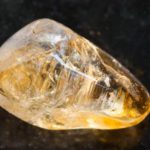
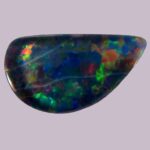
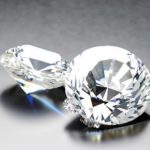
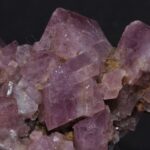
Editorial note: The photographs illustrate gemstone appearances; this article does not authenticate any individual specimen. No gemstone is presented as a medical treatment or guaranteed investment.