Quick answer: A clear yellowish crystal may be citrine, another kind of quartz, topaz or an imitation. Color by itself tells you very little about mineral identity. Citrine is yellow-to-orange quartz; topaz is a different mineral with different physical properties and sometimes different enhancement history.
Quick gemstone comparison
| Feature | Material A | Material B / context |
|---|---|---|
| Species | Citrine = quartz | Topaz = different mineral |
| Mohs hardness | Quartz 7 | Topaz 8 |
| Impact risk | Can chip or fracture | Pronounced cleavage |
| Common treatment | Some citrine is heated amethyst | Color treatments vary |
Citrine is a quartz variety
Citrine is a yellow-to-orange member of the quartz family with Mohs hardness 7. ‘Yellow quartz’ is a descriptive color phrase rather than a precise standalone gem species: depending on the specimen it can refer to citrine or other quartz with yellow appearance. A seller should state both the mineral and any known treatments.
Topaz has a different composition and cleavage
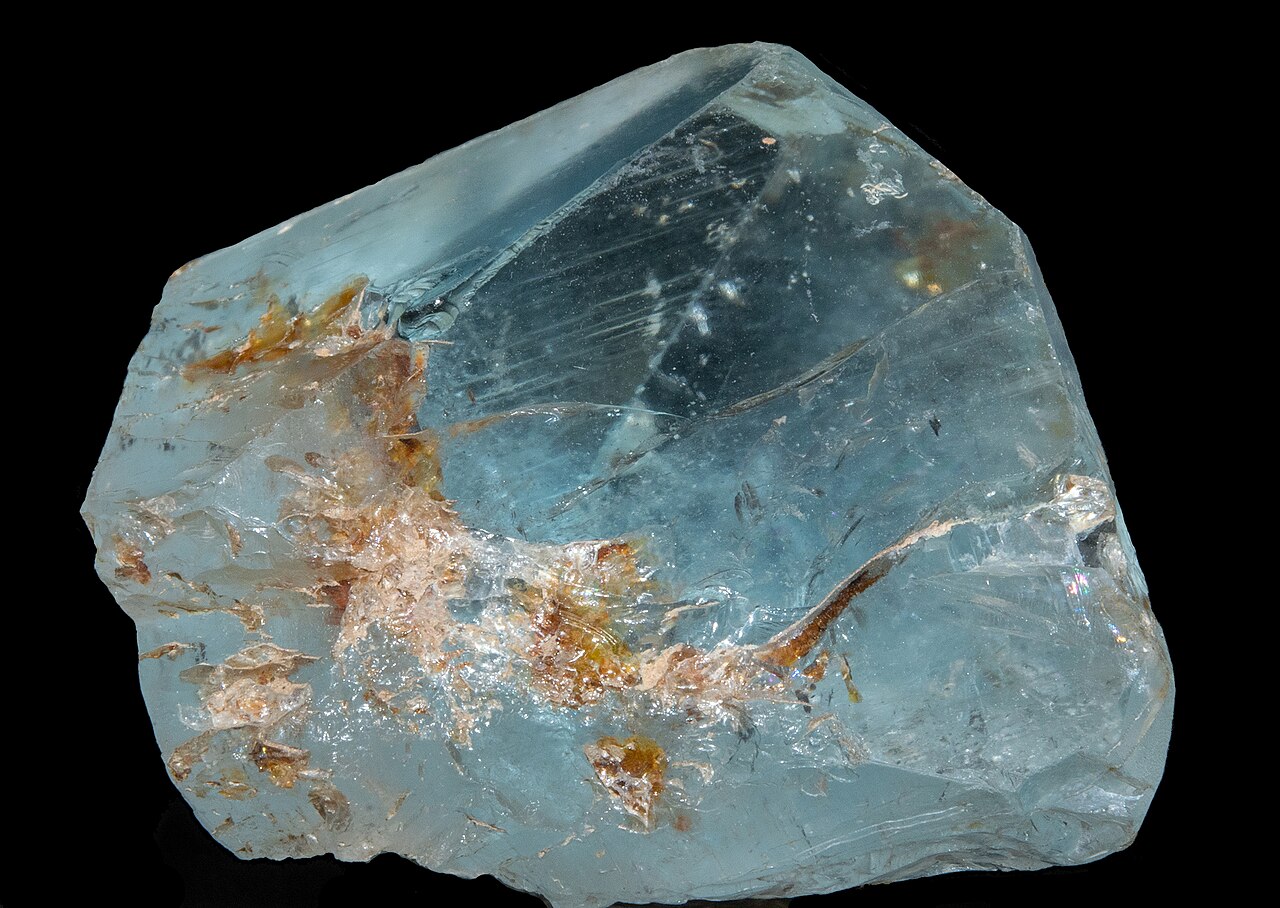
Topaz is an aluminum fluorosilicate with Mohs hardness 8. Despite that higher hardness, topaz has excellent basal cleavage, which can make certain impacts especially damaging. A sharp-looking yellow topaz is not automatically more durable for exposed daily wear than quartz. Cutting, inclusions and the mounting matter.
Where does heat-treated citrine fit?
A considerable share of commercial orange-yellow quartz marketed as citrine is produced by heating amethyst. The result remains quartz but its treatment history differs from naturally yellow material. It is misleading to equate an attractive orange tone with proof of natural color. Asking about enhancement is more useful than a risky burn test.
Other transparent yellow look-alikes
Yellow sapphire, glass, some varieties of beryl, synthetic gems and other minerals may resemble quartz or topaz under retail lighting. Optical and physical testing distinguishes them. A casual scratch test can cause permanent damage and usually cannot prove whether a mineral was naturally formed.

How to compare sparkle, color and price
Different cuts produce different brightness and saturation. Carat weight does not translate directly to face-up dimensions across minerals, because density varies. Be skeptical of bargains advertised as ultra-rare untreated topaz without documentation. Price depends on species, quality, origin assertions and seller terms, not only a color label.
Care and safe identification
Use soft cloths and a jeweler-approved mild cleaning method suited to the identified material and its treatments. Avoid sudden heat or aggressive ultrasonic equipment with topaz and cracked quartz. For high-value stones, request professional identification rather than trying acid, heat or scratch experiments.
Interactive buying checklist
Frequently asked questions
Is every yellow quartz citrine?
Not automatically; the precise mineral and color treatment should be confirmed.
Is citrine fake when made by heating amethyst?
It is heat-treated quartz, which should be accurately described.
Is topaz always yellow?
No. Topaz occurs in colorless, blue, pink, orange and other colors.
More GemTycoon resources
Explore our related gemstone guide and the gemstone identification chart for more information.
Reference: Gemological Institute of America — educational gemology resource.
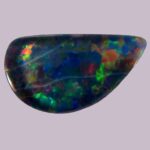
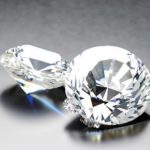
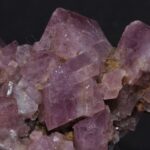
Editorial note: The photographs illustrate gemstone appearances; this article does not authenticate any individual specimen. No gemstone is presented as a medical treatment or guaranteed investment.