Quick answer. Lapis lazuli and sodalite are both commonly blue and used in beads or carvings, but they are not identical materials. Lapis lazuli is a rock containing blue minerals such as lazurite, often accompanied by calcite and pyrite. Sodalite is a mineral that can also be blue, gray or white.
At-a-glance comparison
| Feature | First material | Second material / explanation |
|---|---|---|
| Type | Lapis lazuli: rock | Sodalite: mineral |
| Typical appearance | Rich blue; pyrite may occur | Blue, often white areas |
| Gold flecks | Possible pyrite | Not a defining feature |
| Care | Avoid harsh chemicals | Avoid harsh chemicals |
Rock versus mineral
Lapis lazuli is a metamorphic rock rather than a single homogeneous mineral species. Its characteristic blue generally comes from lazurite and related constituents. Sodalite is a mineral that can be one component of certain blue stones. Calling every dark-blue bead lapis is incorrect, even when color is attractive.
Golden flecks and white patches
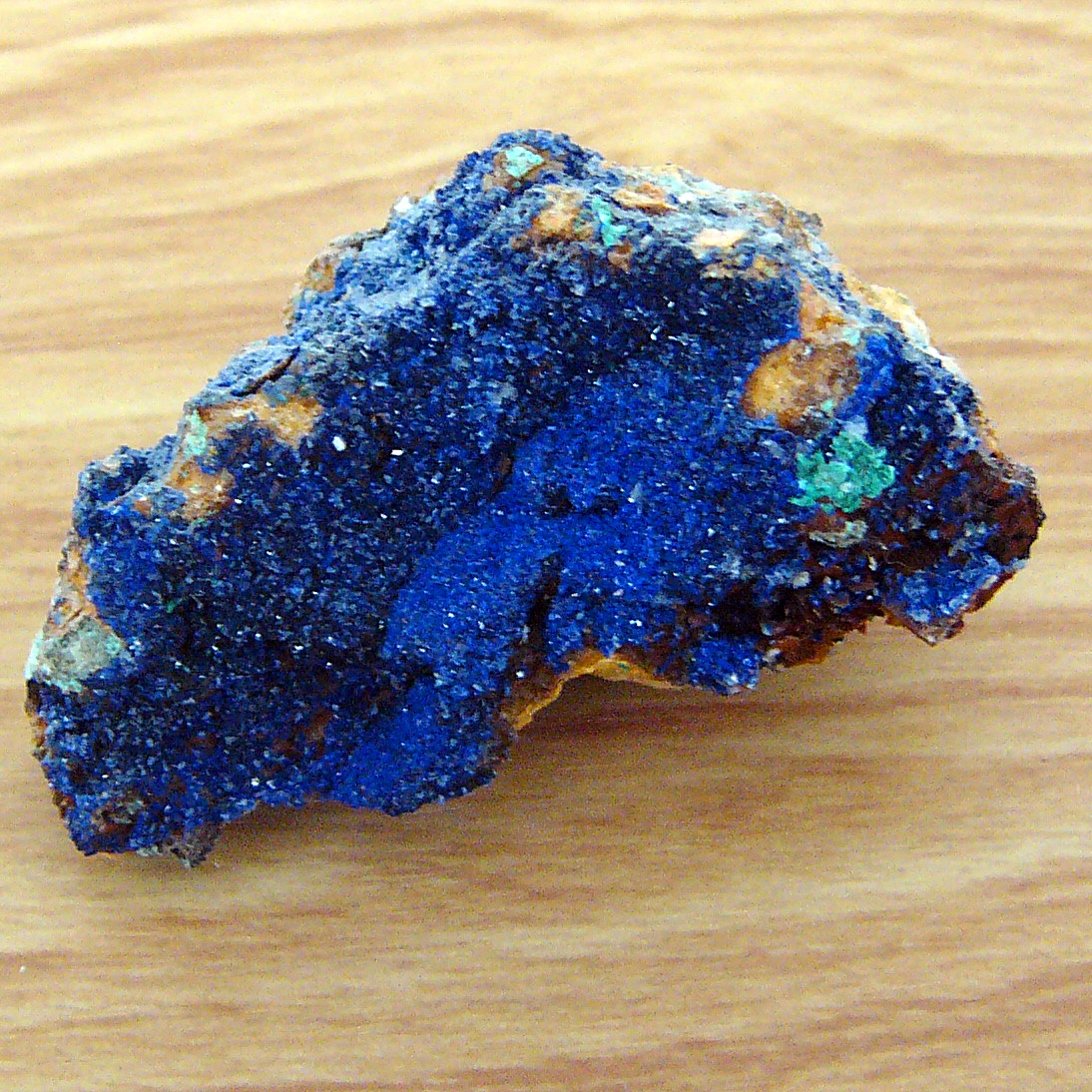
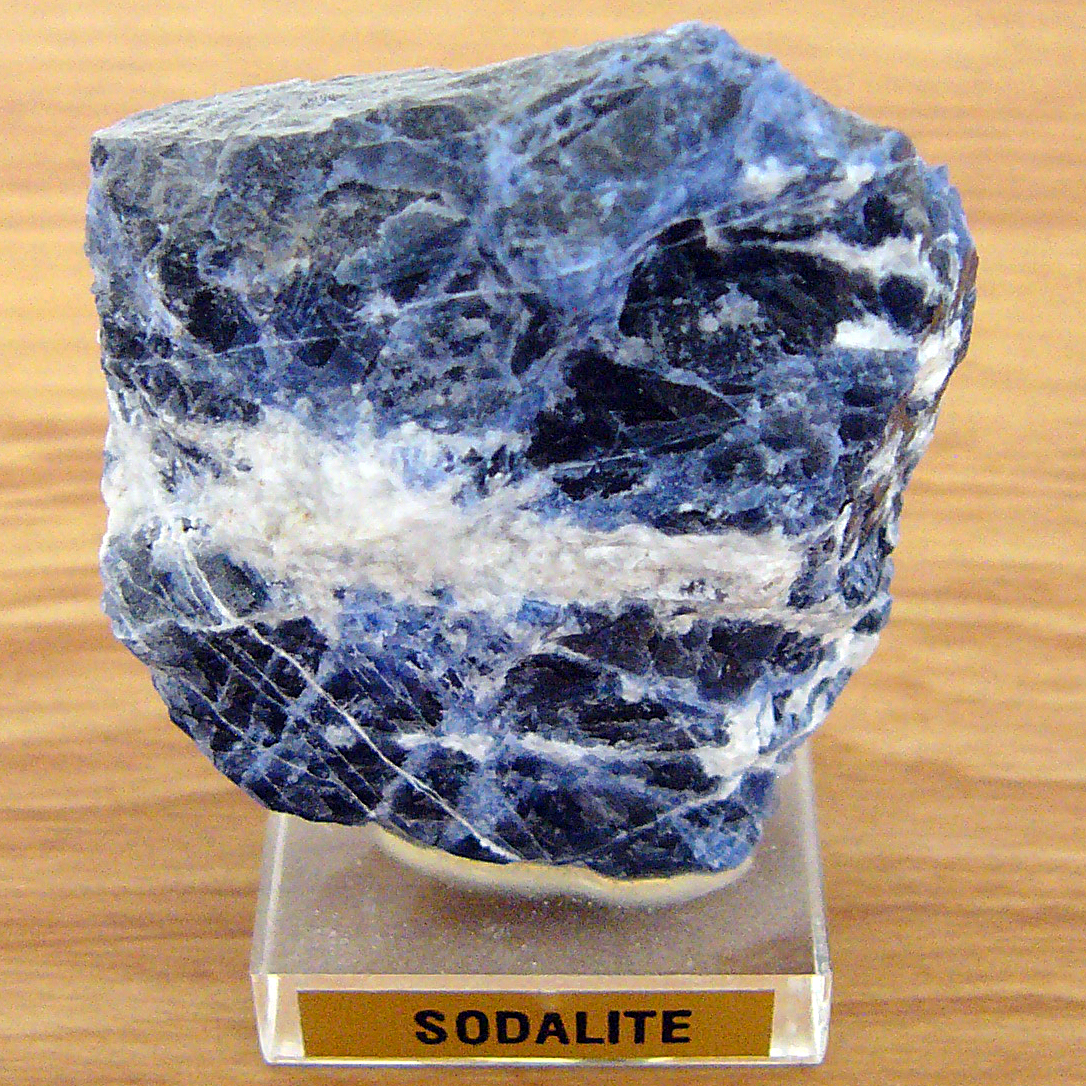
Some lapis lazuli contains visible golden pyrite grains and white calcite areas. Sodalite often has contrasting white veining. Yet natural specimens vary and manufactured composites can mimic these patterns. The presence or absence of gold-colored dots alone does not authenticate a stone or establish its quality.
Treatments and color
Lapis can be dyed or otherwise enhanced, and sodalite can also appear in colored decorative pieces. Dealers may sell reconstructed material or imitations. Ask whether the item is natural rock, treated, stabilized or composite. A perfectly saturated blue appearance under studio lights is not proof of untreated material.
Durability and care
Both materials are relatively softer than sapphire and can show surface abrasion over time. Their exact properties depend on composition and condition. Avoid acids, prolonged soaking or steam cleaning when identity or treatment is uncertain. The setting and any adhesives in assembled jewelry may introduce further restrictions.
Understanding value differences
Fine lapis lazuli with even attractive blue and a desirable texture can have a different market from common sodalite. However, pricing depends on actual specimens, provenance, craftsmanship and treatment. No universal fixed price ratio applies. Claims that an item came from a famous historical mine require credible evidence.
Safe identification workflow
Record the stone’s color, matrix, weight and surface condition. Ask the seller for exact material and treatment disclosure, then compare under neutral lighting. A mineralogist or qualified gemologist can use appropriate techniques to distinguish the material, especially for antiques or expensive carved pieces.
Interactive gemstone buying checklist
FAQs — tap to reveal answers
Is sodalite fake lapis?
No. Sodalite is a legitimate mineral, but it should not be misrepresented as lapis lazuli.
Does pyrite prove a stone is lapis?
No. Some lapis lacks obvious pyrite and patterns can be imitated.
Are both good for pendants?
Yes, with sensible care, accurate material identification and appropriate settings.
Editorial note: Identification, treatment and valuation claims require examination of individual gemstones. Cultural gemstone beliefs are not medical evidence.