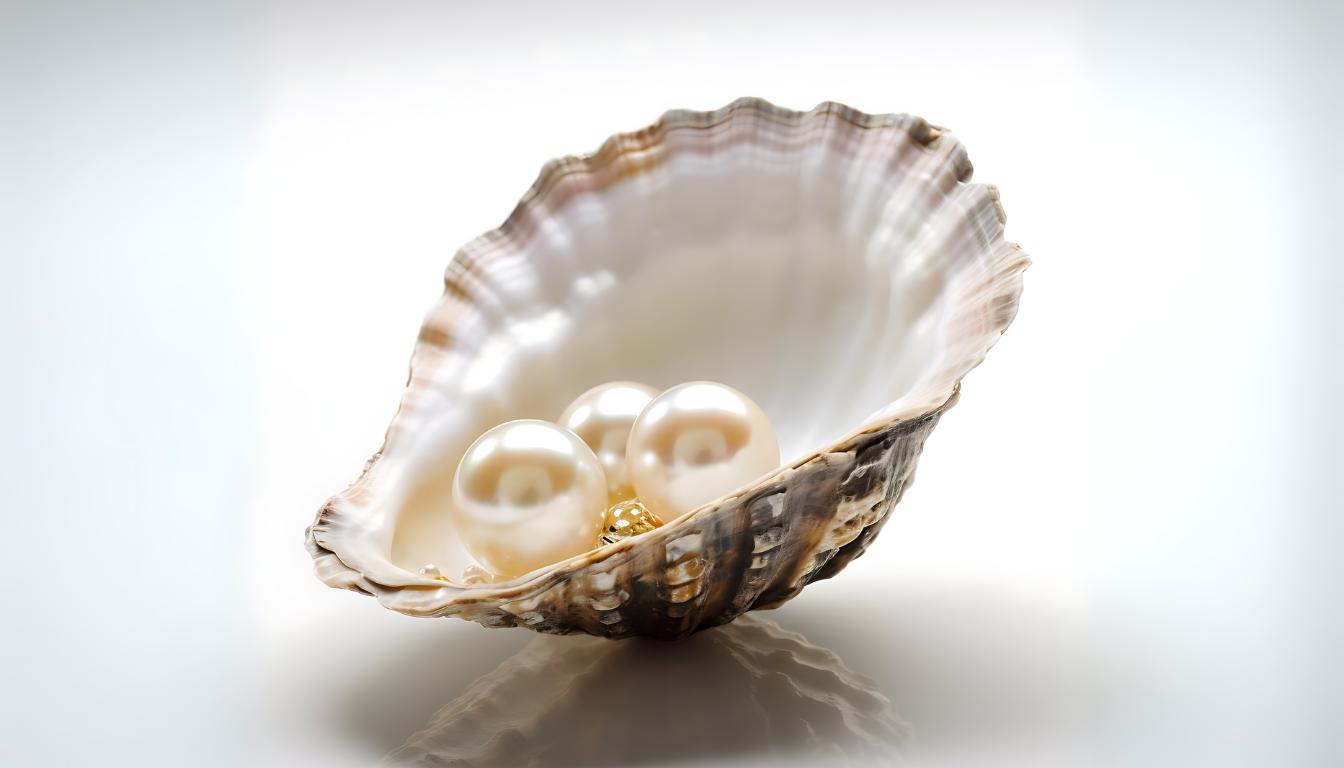
Pearls are organic gems produced by mollusks. Natural and cultured pearls are both formed by living mollusks, but cultured pearl formation includes intentional human intervention. That distinction is very different from comparing a pearl with an imitation bead made from glass or plastic.
Natural versus cultured pearl formation
A natural pearl forms without deliberate human initiation, while a cultured pearl results from a process begun through human intervention within a living mollusk. Both may be composed of nacre and other pearl material. Most pearls available in modern jewelry are cultured. Describing a cultured pearl as imitation simply because humans helped initiate formation is inaccurate.
Freshwater, Akoya, South Sea and Tahitian pearls
These are common commercial categories reflecting mollusk type, growing conditions and market characteristics. Freshwater cultured pearls occur in many shapes and colors. Akoya pearls are often sought for roundness and luster; South Sea and Tahitian cultured pearls include larger and naturally varied appearances. Individual quality varies and should not be inferred from category alone.
Understand luster, surface and shape
GIA identifies important pearl value factors including size, shape, color, luster, surface quality, nacre quality and matching for strands. Luster describes how sharply and brightly light reflects from the surface. A round pearl may cost more than a baroque pearl of otherwise comparable quality, but some buyers prefer the individual shape of baroque gems.
Color and treatment disclosures
Pearls can be naturally colored or treated by dyeing, bleaching, irradiation or coating. A uniform dark strand is not necessarily naturally dark Tahitian material. Ask for the actual type, whether the color was altered, and how to clean the finished piece. A reputable dealer should explain how they describe any treatments and assembled components.
Why pearls require special handling
Pearls have Mohs hardness around 2.5, so they scratch much more easily than most faceted minerals. Perfume, cosmetics, household acids and heat can damage nacre or alter appearance. Put pearls on after applying cosmetic products and wipe them gently after each wearing with a clean soft cloth. Store them away from hard gemstones.
Safe pearl cleaning and storage
GIA cautions that pearls should never be placed in ultrasonic or steam cleaners. Warm soapy water can be used carefully for appropriate deeper cleaning, but stringing should be fully dry before wearing a necklace. Avoid prolonged soaking or harsh cleansers. Have strands checked and restrung when the thread becomes weak or stretched.
Purchasing checklist
Confirm natural versus cultured or imitation origin, pearl type, size, matching, luster and whether treatments are known. Ask for independent verification when rarity or natural origin materially affects the price. Use photographs of the actual strand rather than only generic stock imagery, and check the return terms before buying.
Questions buyers frequently ask
Can a photo confirm a stone’s origin or treatments?
No. Appearance alone cannot resolve all identification questions, especially for valuable gemstones.
Do natural gemstones always have higher value?
No. Quality, rarity, treatment, demand and documentation matter; a natural designation alone is not a price guarantee.
Should I perform scratch or chemical tests at home?
No. Destructive tests can damage valuable jewelry without proving authenticity.
Related GemTycoon reading
Research sources
General gemology and buying guidance, not a laboratory authentication or appraisal of an individual gem.