November is associated with two gemstones: topaz and citrine. Although both can be yellow or orange, they are different minerals with distinct hardness, common treatments and care requirements. Understanding those differences helps buyers choose better jewelry gifts.
Topaz is not a variety of quartz
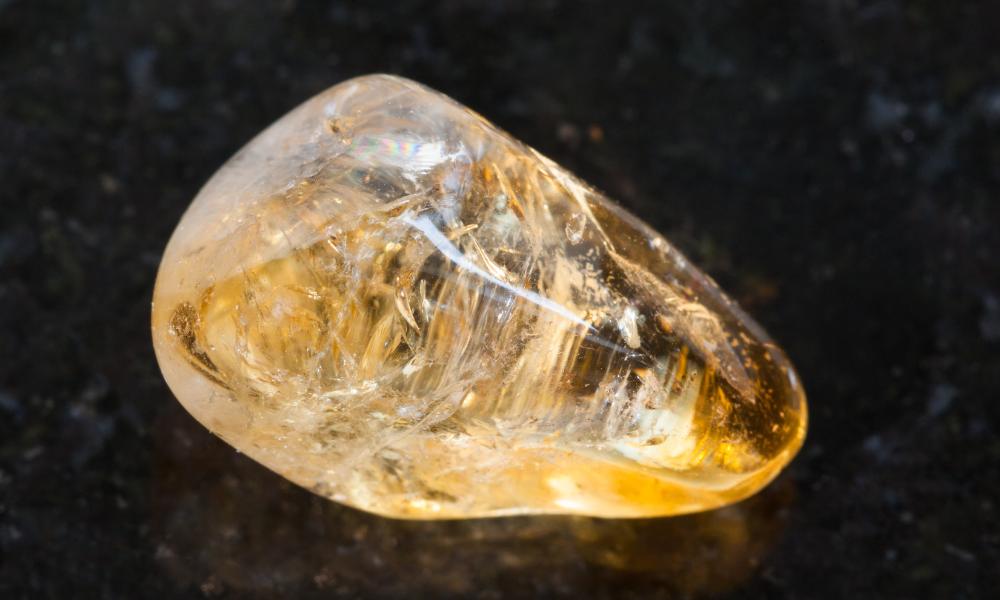
Topaz is an aluminum fluorosilicate mineral that occurs in blue, colorless, yellow, pink, orange and other hues. Citrine is yellow to brownish-orange quartz. Historically, yellow quartz was sometimes mislabeled ‘topaz,’ but similar color does not imply the same material. Ask retailers to identify the stone rather than rely on old-fashioned terms such as ‘topaz quartz’.
Topaz colors and treatment disclosures
Many blue topaz gems are originally colorless material whose appearance was changed through irradiation and heating. Certain ‘Mystic Topaz’ stones have surface coatings that can wear if abraded. Rare pink to reddish-orange topaz colors may be priced differently from more common material. If a treatment changes the appearance or requires special care, obtain disclosure in writing.
Citrine, natural color and heated amethyst
Citrine is a yellow to orangy quartz variety with hardness around Mohs 7. Natural citrine exists, but much commercial citrine is produced by heat treatment of amethyst. Such treated quartz is still quartz; its appearance and treatment history should be represented accurately. An unusually deep burnt-orange hue alone does not establish whether it was heat-treated.
Durability comparison
Topaz has Mohs hardness 8, higher than citrine at approximately 7, but topaz has pronounced cleavage and may break under an unfavorable impact. Citrine has different fracture behavior and may suit many jewelry designs. Neither should be treated as indestructible. GIA advises against ultrasonic and steam cleaning for topaz, while warm soapy water is generally appropriate.
Historical meaning and November gifting
Topaz and citrine appear in longstanding traditions associated with warmth, prosperity and emotional symbolism. Such beliefs may make birthstone gifts meaningful, but they are not evidence that gemstones confer financial success or treat medical conditions. Choose based on a recipient’s color preference, routine, metal choice and care habits.
How to buy a November birthstone
Confirm whether the material is topaz or quartz, obtain known treatment disclosures, compare cutting and proportions, and ask about jewelry mounting and returns. For costly stones sold as rare colors, verify origin and quality claims appropriately. Examine stones in neutral lighting, because yellow and orange gems can look quite different under warm studio bulbs.
Questions buyers frequently ask
Can a photo confirm a stone’s origin or treatments?
No. Appearance alone cannot resolve all identification questions, especially for valuable gemstones.
Do natural gemstones always have higher value?
No. Quality, rarity, treatment, demand and documentation matter; a natural designation alone is not a price guarantee.
Should I perform scratch or chemical tests at home?
No. Destructive tests can damage valuable jewelry without proving authenticity.
Related GemTycoon reading
Research sources
General gemology and buying guidance, not a laboratory authentication or appraisal of an individual gem.