Different gemstones require different cleaning methods. Warm water and mild soap may suit many durable, untreated stones, but other gems are vulnerable to heat, sudden temperature changes, chemicals, solvents or prolonged soaking. When the stone’s identity or treatments are unknown, the safest plan is professional advice.
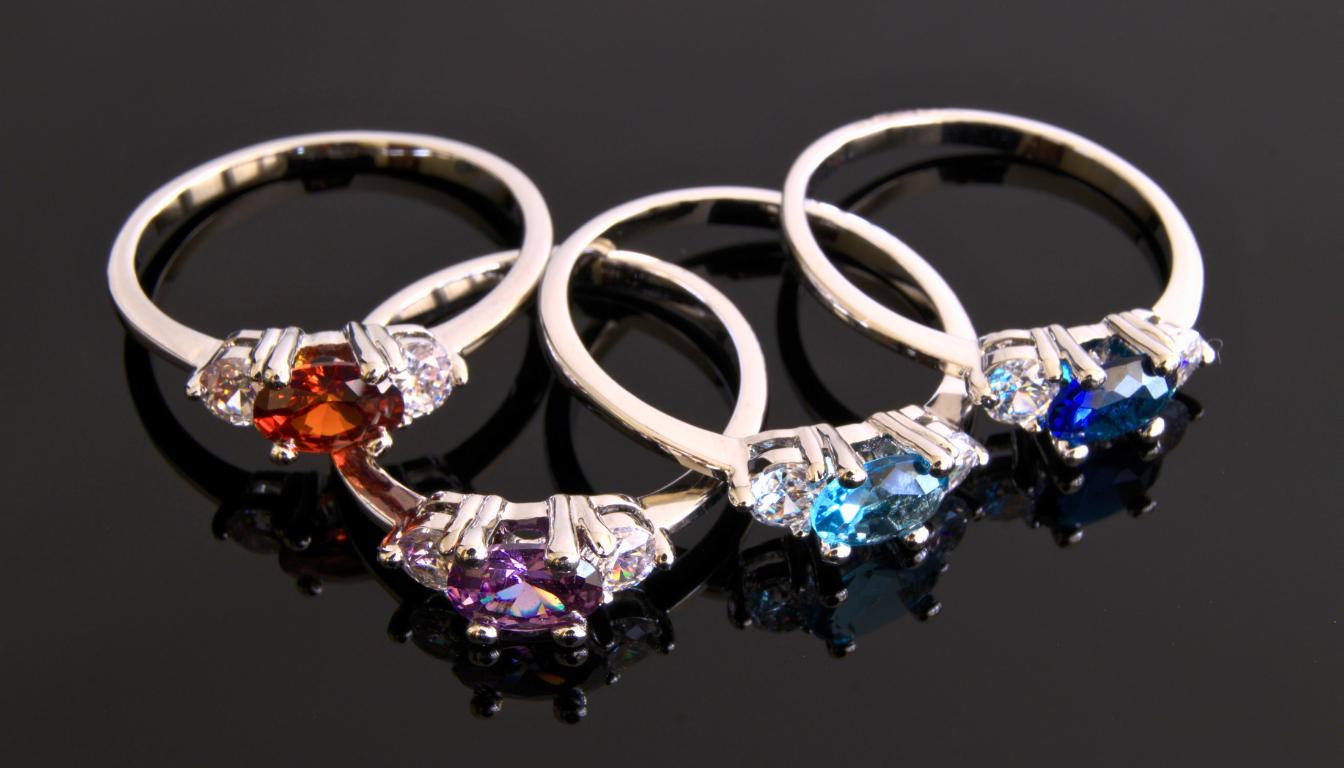
Why ultrasonic cleaning can be risky
An ultrasonic machine uses vibrations that can loosen settings or worsen damage in vulnerable stones. GIA cautions against using it for various heat-sensitive, fracture-filled, impregnated or treated materials, including many opals, fluorites, turquoise and some emeralds. An ultrasonic cleaner is not a universal solution merely because it is sold for jewelry.
Diamonds, sapphires and rubies
Many properly mounted, untreated or appropriately characterized diamonds and corundum gems can be cleaned carefully with mild soapy water and a soft brush, but settings and particular treatments still matter. Avoid abrasive scrubbers around metal or delicate pavé. If the stone has fractures, fillings or uncertain treatment, ask the jeweler before using heat, steam or ultrasound.
Emeralds and treated gemstones
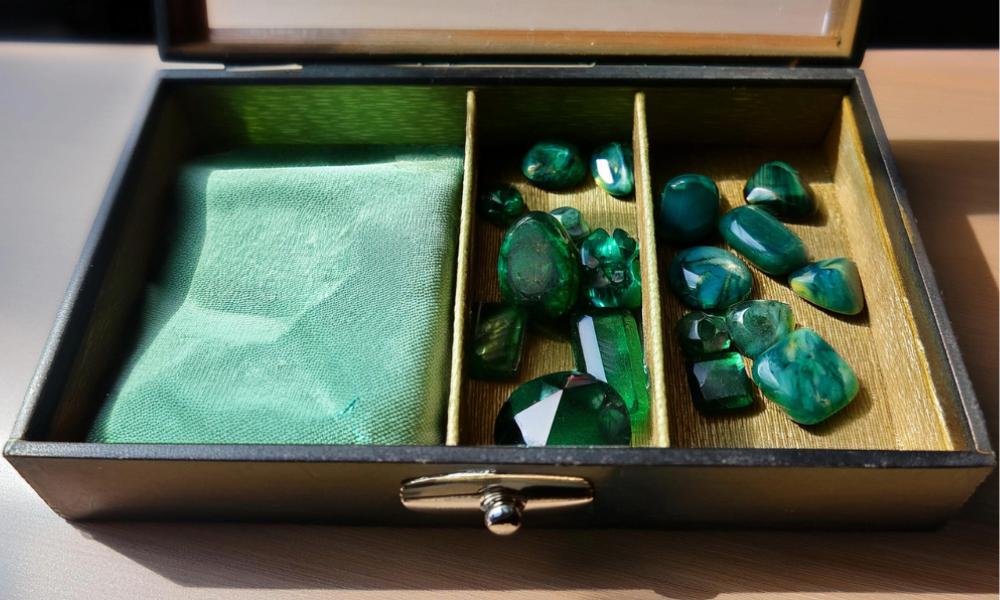
Emerald often contains surface-reaching fissures that may be filled with oils or resins. Aggressive cleaning, heat and solvents can affect some filling substances. A gentle wipe or carefully controlled mild cleaning advised by the jeweler is usually safer than home equipment. Ask whether a report or purchase document identifies fracture filling and repair instructions.
Opal and turquoise
Opal can be sensitive to sudden temperature changes; assembled opal pieces also contain joined layers that demand care. GIA recommends warm soapy water for appropriate opal cleaning, avoiding harsh equipment. Turquoise can absorb perfume, cosmetics or cleaning agents and may be stabilized or dyed. Neither material should be automatically placed in a steam or ultrasonic cleaner.
Pearls and organic materials
Pearls are relatively soft and can be damaged by perfumes, cosmetics, acids and perspiration. Put pearls on after applying cosmetics, wipe with a soft clean cloth after wearing, and allow strung pearls to dry fully before storage. Do not put pearls in ultrasonic or steam cleaners. Avoid soaking necklaces because moisture can damage the string.
A practical cleaning checklist
First identify the gemstone, check treatment documentation and inspect the mounting. Use a clean soft cloth for routine surface dirt. When permitted, use lukewarm mild soapy water, rinse appropriately and dry fully with a soft cloth. Avoid abrasive powder, chlorine, household acids and high-pressure cleaning. Store jewelry individually and seek a professional when unsure.
What to do with a loose or damaged stone
Stop cleaning if a prong is loose, a gemstone rattles or you notice a crack. Do not use heated water to force dirt out of a fracture. Take the piece to a jeweler and explain any known filling, dyeing, coating or assembly. Preventing a lost or damaged gemstone is more valuable than achieving a spotless polish at home.
Frequently asked questions
Can a phone photograph establish a gem’s identity?
No. Visual appearance alone cannot determine composition, origin or treatments.
Should I rely on seller labels alone?
For a high-value purchase, consider credible independent identification and accurate written disclosures.
Do gemstone meanings have proven medical effects?
No. Traditional symbolism can be culturally important without establishing a clinical treatment.
Related reading
Sources
General consumer education, not a gemological laboratory report or professional appraisal.