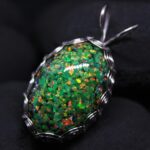
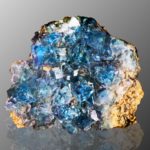
A stone sold as “real opal” might be solid natural opal, an assembled stone containing an opal layer, or a treated specimen. Glass and synthetic look-alikes may also mimic precious opal. For a sound purchase, learn the precise material and construction rather than relying on dramatic rainbow photographs.
Precious and common opal
Precious opal displays play-of-color: flashes that change as the stone moves. Common opal generally lacks these flashes, yet can be naturally occurring. Therefore a stone without a rainbow display is not automatically fake. The color of the background is also a different property from play-of-color.
What are opal doublets and triplets?
A doublet commonly joins a thin opal layer to a darker backing. A triplet adds a transparent top layer as well. These are assembled gems, often including natural opal, and must not be sold as solid opal. A seam may be visible from the edge, but a setting can conceal it. A gemologist can help verify uncertain constructions.
Could it be boulder opal?
Some natural boulder opal remains attached to its host rock, creating a backing-like appearance. Unlike assembled stones, the host rock is naturally associated with the opal. A front-view image cannot reliably tell you whether a stone has natural matrix or a glued backing.
Why simple home tests are unreliable
Opal is vulnerable to scratches and chips. Heating, soaking in unknown chemicals or scraping the stone can harm genuine opal and still fail to identify an imitation. Photographs and ultraviolet responses are not definitive authentication tests. Use gentle care and avoid severe temperature changes.
When to obtain independent testing
For an expensive purchase, ask a recognized laboratory whether it can identify the specimen and detect treatment or assembly. Verify any report number through its official source and match measurements to the gem. Consult the GIA opal buyers guide for quality and care information.
Buy with clear disclosure
Ask in writing whether the stone is solid, natural, treated, a doublet, a triplet or imitation. Obtain front and side photographs, descriptions of any repairs and a reasonable return policy. Compare similarly described stones, and review our opal versus opalite comparison.
FAQs
Can natural opal lack play-of-color?
Yes. Common opal often does.
Are triplets entirely fake?
They are assembled stones that generally include an opal layer. Their construction must be disclosed.
Can a photo prove the stone is natural?
No. Photographs cannot establish mineral origin or construction.