Buying a gemstone involves far more than choosing the prettiest color. Use the ten checkpoints below to protect your purchase and understand the stone you actually receive.
1. Define purpose and budget
A daily-wear ring needs different durability from a collector’s specimen or occasional earrings. Allow for the setting, repairs, testing and insured shipping. Determine what matters most to you: visual appearance, geological origin, color, rarity or long-term wear. A slightly smaller, better-cut gem may be a better purchase than a larger, poorly mounted one.
2. Get an exact mineral identification
Request the species and variety, not merely ‘natural crystal’ or a marketing name. Ruby and sapphire are both corundum; an unusual trade name may not describe a recognized mineral variety. For expensive purchases, an independent gemologist can confirm identity. Be careful when a listing substitutes mystical attributes for mineral facts.
3. Distinguish natural, lab-grown and imitation
Natural gems form geologically; laboratory-grown gems share the corresponding material’s essential physical and chemical properties; simulants are different look-alike substances. Each can have legitimate uses, but sellers must be clear. Ask that natural origin and treatments are both specified on the invoice.
4. Understand treatments and consequences
Heating, dyeing, filling and diffusion may change a gemstone’s appearance or how it should be cleaned. Some treatments are common in the trade; others affect durability or value significantly. A heated natural sapphire remains natural. Written disclosure makes comparisons fairer and reduces surprises when cleaning or repairing jewelry.
5. Inspect color under consistent light
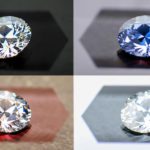
Assess hue, darkness and saturation instead of relying on dramatic retail photographs. A bright sapphire may appear almost black under one light and lively blue under another. Compare candidate stones under similar daylight and neutral indoor conditions, then examine them face up and from the side where possible.
6. Consider cut, clarity and measurements
Cutting affects brightness, color distribution and shape. An inclusion is not necessarily a flaw, but a large fracture may threaten wearability. Carat measures weight, not width; stones with different density or proportions can differ greatly in diameter at equal carat weight. Request millimeter dimensions when matching an existing setting.
7. Check documentation
An independent laboratory report may state the gemstone identity, detectable treatments and natural or laboratory-grown status. Some services also provide an origin opinion when possible. It is not always an appraisal and may not give a price. Verify the issuing lab and match weight, shape, photo and report number.
8. Assess the retailer
Check real company details, clearly written returns, insured shipping, reviews with context and actual specimen photographs. Beware guaranteed investment returns, ‘museum quality’ claims without support, or unexplained price gaps. If the vendor cannot answer basic treatment and origin questions, compare alternatives.
9. Protect the gemstone with an appropriate setting
Consider how exposed pointed corners will be in everyday use. Some gems are hard but cleave or chip under impact; others are sensitive to moisture, heat or chemicals. A secure setting and sensible wear habits can matter more than a generic hardness ranking.
10. Plan long-term care and storage
Ask for cleaning instructions for the particular stone and any fillings or coatings. Do not put unknown gemstones into an ultrasonic cleaner. Store stones separately so hard gems do not abrade soft gems, and retain copies of reports, purchase documents and photos for insurance or future resale.
Frequently asked questions
Is a store certificate as useful as independent lab testing?
A store-issued card may describe the sale but does not necessarily represent independent testing. Confirm who examined the stone and what was tested.
Does a genuine gemstone have to be untreated?
No. A gemstone can be naturally formed and subsequently treated; treatment is a separate issue requiring accurate disclosure.
Can I confirm a gemstone solely from the seller’s photos?
No. Pictures do not reliably establish the mineral identity, origin or treatment history of a specific specimen.
Related guides
Research sources
This is educational buying information, not a gemological appraisal.