Yes. Sapphire is a variety of corundum, aluminum oxide, and the laboratory-grown equivalent has essentially the same mineral composition and crystal structure. Natural co…
Are lab-grown sapphires real sapphires?
Yes. Sapphire is a variety of corundum, aluminum oxide, and the laboratory-grown equivalent has essentially the same mineral composition and crystal structure. Natural corundum forms through geological processes; lab-grown material is created under controlled conditions. Natural and laboratory-grown stones can each be attractive and durable, but the origin affects description and potentially price.
Comparison at a glance
| Feature | Natural sapphire | Lab-grown sapphire |
|---|---|---|
| Formation | Geological | Controlled laboratory growth |
| Mineral | Corundum | Corundum |
| Mohs hardness | 9 | 9 |
| Appearance | Can vary widely | Can closely resemble natural material |
| Common disclosures | Origin, possible treatments | Lab-grown origin, possible treatments |
| Professional testing | May establish growth origin | May establish growth origin |
These categories describe origin, not an automatic ranking of beauty.
Why color does not prove origin
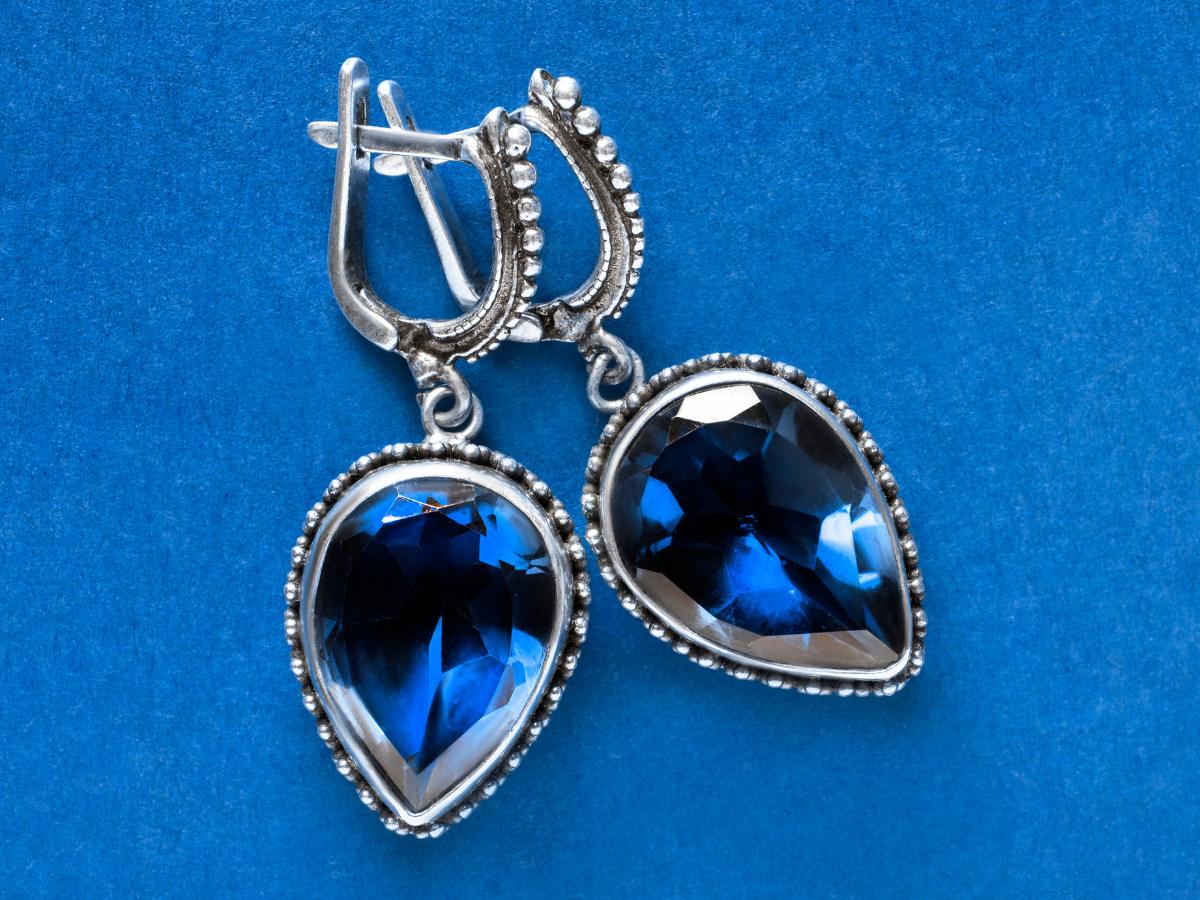
Blue natural and lab-grown sapphires can share similar hues and saturation. Natural corundum also exists in many other colors. Retail lighting, color correction and cut proportions influence appearance. A ‘perfect’ blue color is not proof of synthesis, and a less vivid blue is not proof of natural formation. Ask to see comparable stones under neutral lighting.
Understanding inclusions and growth patterns
Natural sapphires may show mineral inclusions, color zoning and other growth-related features. Synthetic sapphires can also have diagnostic growth structures or inclusions associated with their production method. Gemologists interpret patterns using microscopy and sometimes advanced instrumentation. A single air bubble-like feature or a stone’s apparent clarity is not enough for reliable origin determination.
Durability and everyday jewelry
Both materials are corundum and have Mohs hardness around 9, making well-selected sapphires useful for frequently worn jewelry. Hardness does not eliminate chipping risks, and the cut or mounting can leave corners exposed. Regularly inspect prongs, avoid impact and store the jewel separately from diamonds and harder materials.
Treatments are a second question
Many natural sapphires are heated to adjust color or clarity; some have other color-related treatments such as lattice diffusion. The origin and treatment status should be disclosed separately. Not every lab-grown sapphire is automatically untreated, and not every natural sapphire is unheated. This distinction matters when comparing the price and descriptions of apparently similar stones.
Price and value considerations
Natural sapphire prices vary enormously according to color, clarity, size, cut, perceived rarity, documentation and market conditions. Laboratory-grown material may offer a larger or more saturated-looking stone for less money, but generic price ratios are unstable. Neither type should be marketed as a guaranteed financial investment. Compare clearly identified stones with reasonable returns.
How to buy either type confidently
Request the precise material description on the invoice, ask about known treatments and verify any accompanying laboratory report. For premium natural stones, a reputable lab report may also assess detectable treatments and sometimes geographic origin. If a listing uses terms like ‘created’, ‘synthetic’, ‘natural’ or ‘genuine’, have the seller explain exactly what is meant before paying.
Choosing based on priorities
Select natural sapphire if geological origin and the stone’s documented history are central to your preferences. Consider lab-grown sapphire if you prioritize the look and physical properties of corundum at a potentially more accessible price. Both choices can work; the important factor is informed purchase and honest disclosure.
Related GemTycoon articles
Frequently asked questions
Can jewelers distinguish lab-grown sapphire from natural sapphire?
Qualified professionals and gemological laboratories can use growth features and testing to assess origin; photographs alone cannot establish it.
Will lab-grown sapphire scratch easily?
Like natural corundum it rates about 9 on Mohs; it still needs protection from impact.
Is heated sapphire synthetic?
No. Heating a natural sapphire does not change its geological origin.
Sources
Educational article, not an appraisal or identification of any individual gemstone. Photographs are illustrative.