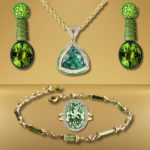
Emerald buying is different from shopping for colorless diamond. Emerald’s vivid green color is central to its appeal, but common inclusions, fracture treatments and cutting choices require attention. Whether selecting a ring or loose stone, begin with the specimen’s identity and known enhancements.
What qualifies as emerald
Emerald is the green to bluish-green variety of beryl. The color boundary separating emerald from lighter green beryl can be nuanced in practice. Aquamarine is a different beryl variety, usually blue to blue-green. Commercial names such as ‘red emerald’ should not replace recognized gemological identification. For significant purchases, seek independent testing.
Judge hue, tone and saturation together
GIA describes fine emerald color as strongly saturated green to bluish-green with enough brightness to appreciate the gem. Too dark a stone may lose transparency; too pale a stone may be marketed differently. Compare gems under neutral light and be aware that indoor lighting and phone photography can distort apparent hue.
Expect inclusions but inspect the important ones
Natural emerald commonly contains fissures and other inclusions, sometimes called ‘jardin’ in trade language. Eye-clean emeralds are comparatively unusual, but inclusions near vulnerable corners or reaching the surface may affect wear. Ask for a magnified description of features that influence structural integrity, not just whether the stone appears clear.
Recognize fracture filling
Oils and resins may be used to reduce the visibility of surface-reaching fissures. Enhancement does not mean a natural emerald is synthetic. Nevertheless, type and extent of treatment may influence price and how safely a stone can be cleaned or repaired. Request a written statement about clarity enhancement and consult the jeweler before ultrasonic or steam cleaning.
Compare cut, size and setting
Emerald cuts are designed in part to manage brittle corners, but oval, pear and other shapes are also common. A larger carat weight is not a substitute for good face-up color and proportions. Consider a protective setting for frequently worn rings and have prongs inspected regularly. Ask for actual millimeter measurements rather than relying on carat weight alone.
Use reports and return policies
A reputable laboratory report can identify the material and discuss detectable treatments; some reports may provide geographic-origin opinions. Verify any report number directly with its issuer. A seller should provide real photos of the specific stone, transparent return terms and a receipt that states origin classification and known enhancements.
Buyer checklist
- Ask for the gemstone’s exact mineral identity and whether it is natural, laboratory-grown, or an imitation.
- Request known treatments and care restrictions in writing.
- Inspect photographs under neutral lighting and compare complete dimensions.
- Check whether a credible independent gemological report is appropriate to the price.
- Keep a receipt and understand the return policy before paying.
Frequently asked questions
Can photographs prove that a gemstone is natural?
No. Photographs can reveal appearance, not confidently establish mineral identity, growth origin or treatment history.
Do treatments always make gemstones fake?
No. Natural stones may be treated. Known treatments should be disclosed separately from natural origin.
Is a home scratch or chemical test recommended?
No. Such tests can damage gems and provide incomplete answers.
Related GemTycoon resources
Evidence and further reading
- Gemological Institute of America — relevant gemology guide or research
- GIA — How colored stones are analyzed
Educational content. Photographs and general comparisons are not laboratory identifications or appraisals.