Sapphire is the mineral corundum and can appear blue, yellow, pink, purple, green and other colors. Red gem corundum is generally classified as ruby. The term “fancy sapphire” groups non-blue varieties, but it is not a grade of gemstone quality.
Blue sapphires
Blue sapphire ranges from pale blue to saturated blue and violetish blue. Many buyers prefer lively medium-to-medium-dark tones over excessively dark stones. Cut and color zoning change what viewers see; a poor cut can make even richly colored material appear dull. Compare stones under the same lighting rather than unrelated sales photographs.
Pink, purple and yellow varieties
Pink sapphire can be pastel or vivid; purplish tones and warmer pink-orange examples exist. The line between ruby and deeply pink sapphire is not always simple in trade practice. Purple, yellow and orange sapphires each include a range of tones. Ask about any known heat or diffusion treatments instead of assuming attractive color formed naturally without enhancement.
Green and teal sapphires
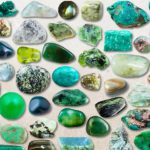
Green and teal sapphires can show mixtures of blue, green and yellow appearance, sometimes with visible zones in the same cut gemstone. Green sapphire is corundum and is not emerald, which is a beryl variety. Such stones can be attractive for people seeking less familiar engagement ring colors. Clarity, cut and treatment still matter.
Padparadscha sapphire
Padparadscha is a specialized trade color name commonly associated with pink-orange sapphire. The exact boundaries are debated, so an expensive stone sold under this name should have documentation from a reputable laboratory when possible. Peach-colored does not automatically mean padparadscha.
How to compare sapphire colors
Consider hue, tone, saturation, cut, natural or laboratory-grown origin, detectable treatments, and credible evidence for unusual geographic origins. Avoid generic ‘AAA’ sales labels presented as globally standardized. For context on choosing and assessing sapphire, review the GIA Sapphire Buyers Guide and our green sapphire article.

Frequently asked questions
Is sapphire only blue?
No. Sapphire occurs in numerous colors, while ruby refers to red corundum.
Can sapphires be treated?
Yes. Heating and other treatments may alter some sapphire colors and should be disclosed.
Is a green sapphire an emerald?
No. Both are distinct minerals, even when they share a similar green appearance.